
In recent years, robotics kits have increasingly been used not only in extracurricular programs and engineering classes, but also as part of the core curriculum. Interdisciplinary learning helps children connect knowledge from different subjects and develop skills in analyzing and evaluating information. Robotics is now more common in computer science, physics, technology, and environmental studies lessons, where it helps build engineering thinking and foundational knowledge.
With modern equipment planned for physics classrooms in 2026, Robotrack has prepared two educational kits for more in-depth study of electrical engineering and mechanics.
- Robotrack Electrical Engineering, an educational kit for learning the fundamentals of electronics and electrical engineering, microprocessors, and programming electronic devices.
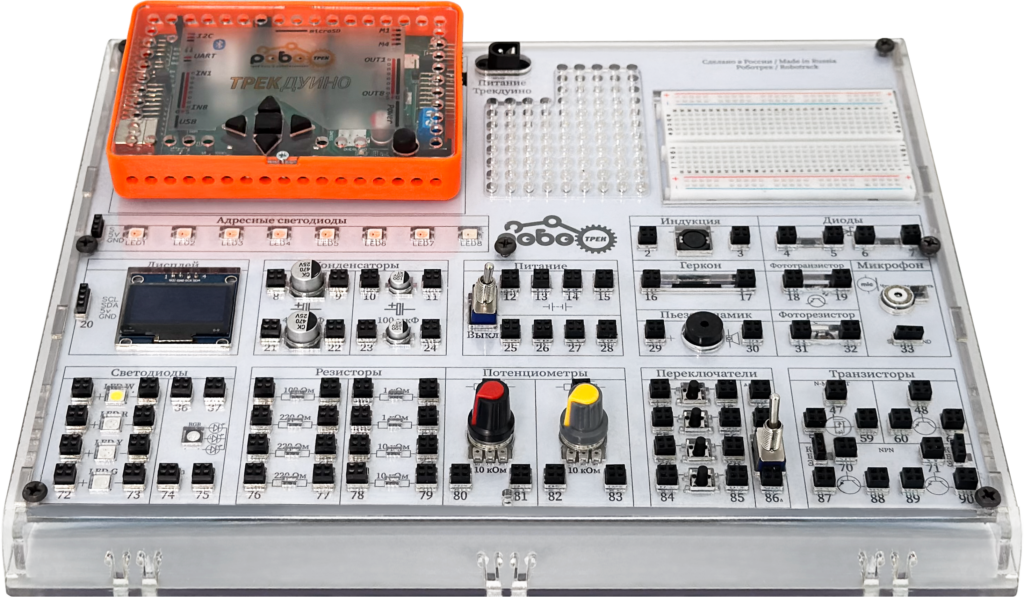
The Electrical Engineering kit supports project work and teaches students how circuits, sensors, and actuators work. It allows students to:
- assemble and investigate electrical circuits;
- study the laws of electricity through hands-on experiments;
- program microprocessor devices.
The kit supports in-depth study of work, power and energy; thermal phenomena; electrical and magnetic phenomena; mechanical oscillations and waves; and electromagnetic fields and waves. It also supports a more advanced approach to the general physics course in grade 8.
Learn more about the kit here.
- Robotrack Mechanics and Mechatronics robotics kit.
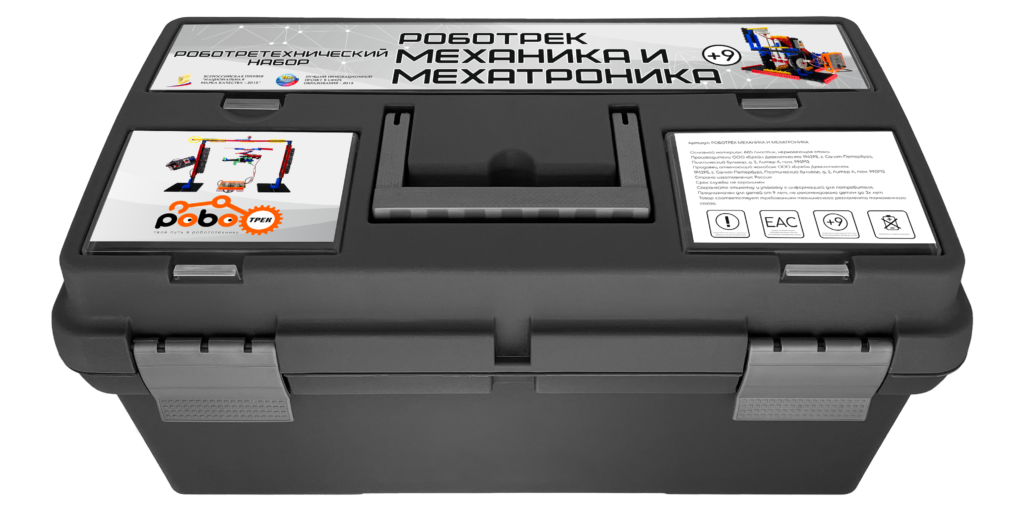
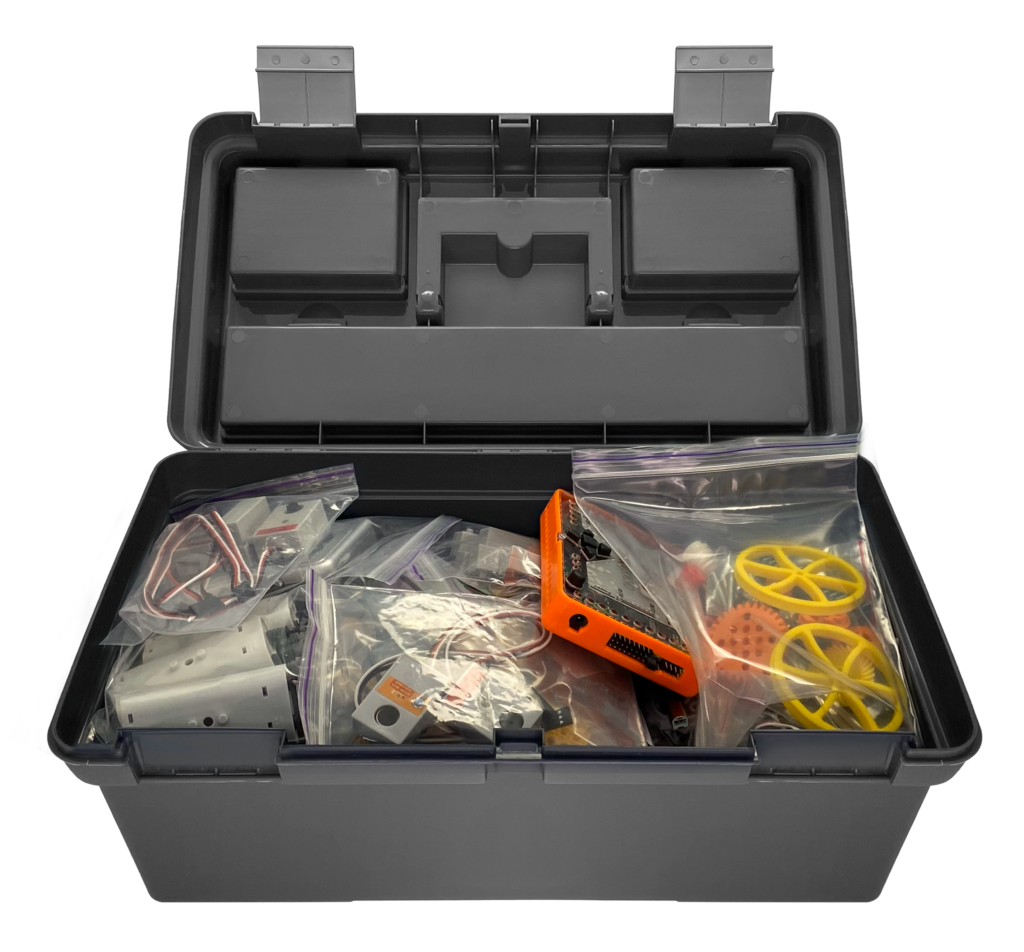
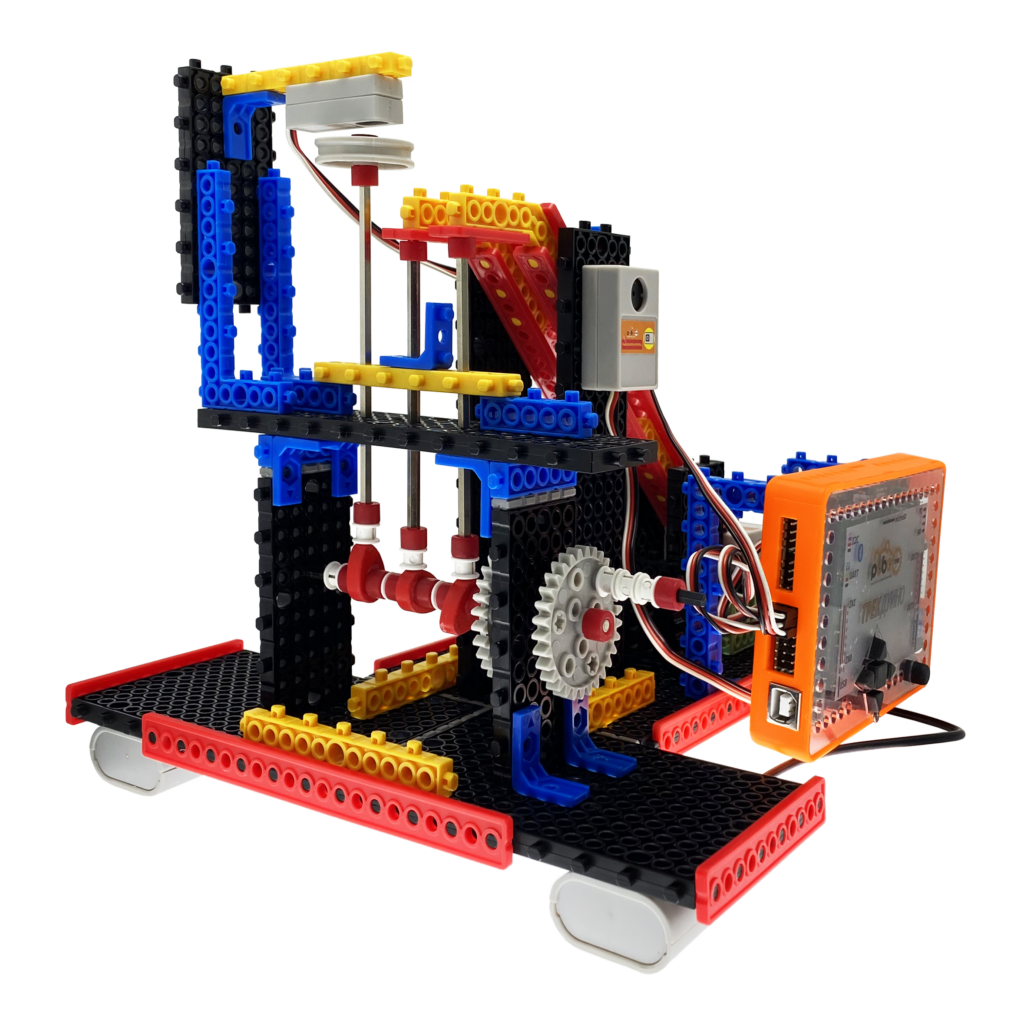
This kit is designed for an integrated study of mechanics, mechatronics, electronics, and programming. Students can build moving and stationary mechanical models, use different types of transmissions, and explore how motion is converted.
Mechanics and Mechatronics supports in-depth study of grade 7, 9, and 10 physics topics, including mechanical motion, force, levers, transmissions, work and power, and the laws of mechanics.
Learn more about the kit here.
These educational kits provide a foundation for hands-on learning in physics and related subjects. They help students understand complex topics through practical examples, develop engineering skills, and carry out full-fledged project work.