View the Robotrack preschool education solutions catalogue
Brain Development LLC and Robotrack LLC are Russian developers and manufacturers of educational systems for children and young people. Their goal is to introduce children to modern technologies and show how these technologies relate to the world around them.
Through hands-on activities with the educational systems, preschool children develop functional literacy and curiosity, and explore innovative technologies in an accessible, playful way.
Children can explore robotics, neurotechnology, electrical engineering, programming, and artificial intelligence, and take part in competitions.
Robotics
Children learn about the development of robotics and the robots around us, including cyborgs, humanoids, androids, and industrial robots. They are introduced to frame structures, levers, simple mechanisms, and gears, learn where they are used, and explore sensors and their role in robotics. Alongside their first robotics skills, children learn about the world around them and discover occupations connected with modern technology.
The solution includes educational equipment and a complete teaching package with lesson plans and curricula. It supports learning the basics of robotics and model building, as well as preparation for specialist competitions. The package also includes free teacher training, information support, and opportunities to take part in conferences, forums, and other events.
Educational equipment and teaching package:
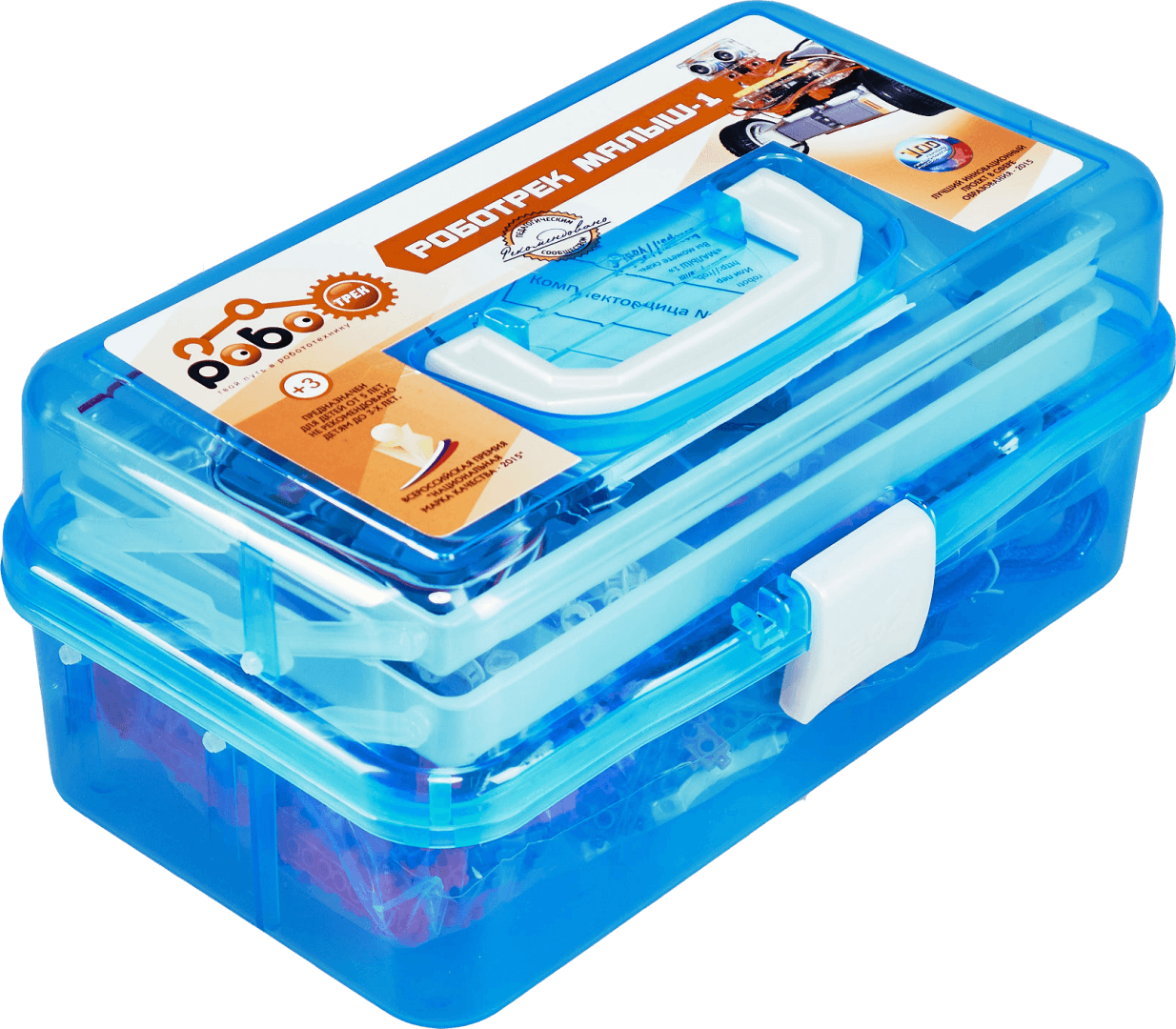
- Robotrack Malysh-1 robotics kit and the Introduction to Robotics and Electromechanical Design course.
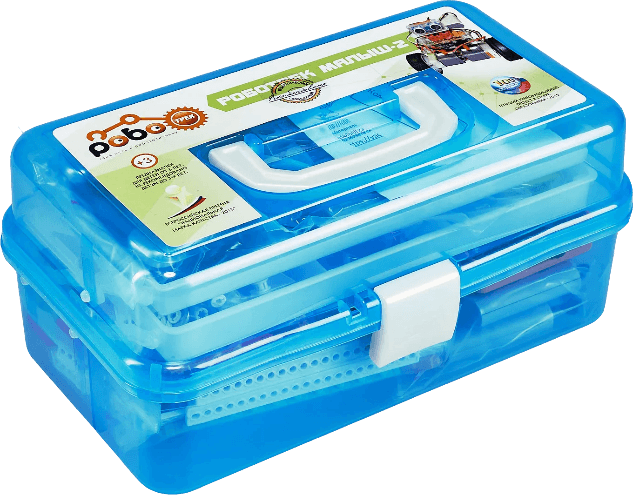
- Robotrack Malysh-2 robotics kit and the Fundamentals of Robotics and Electromechanical Modelling course.
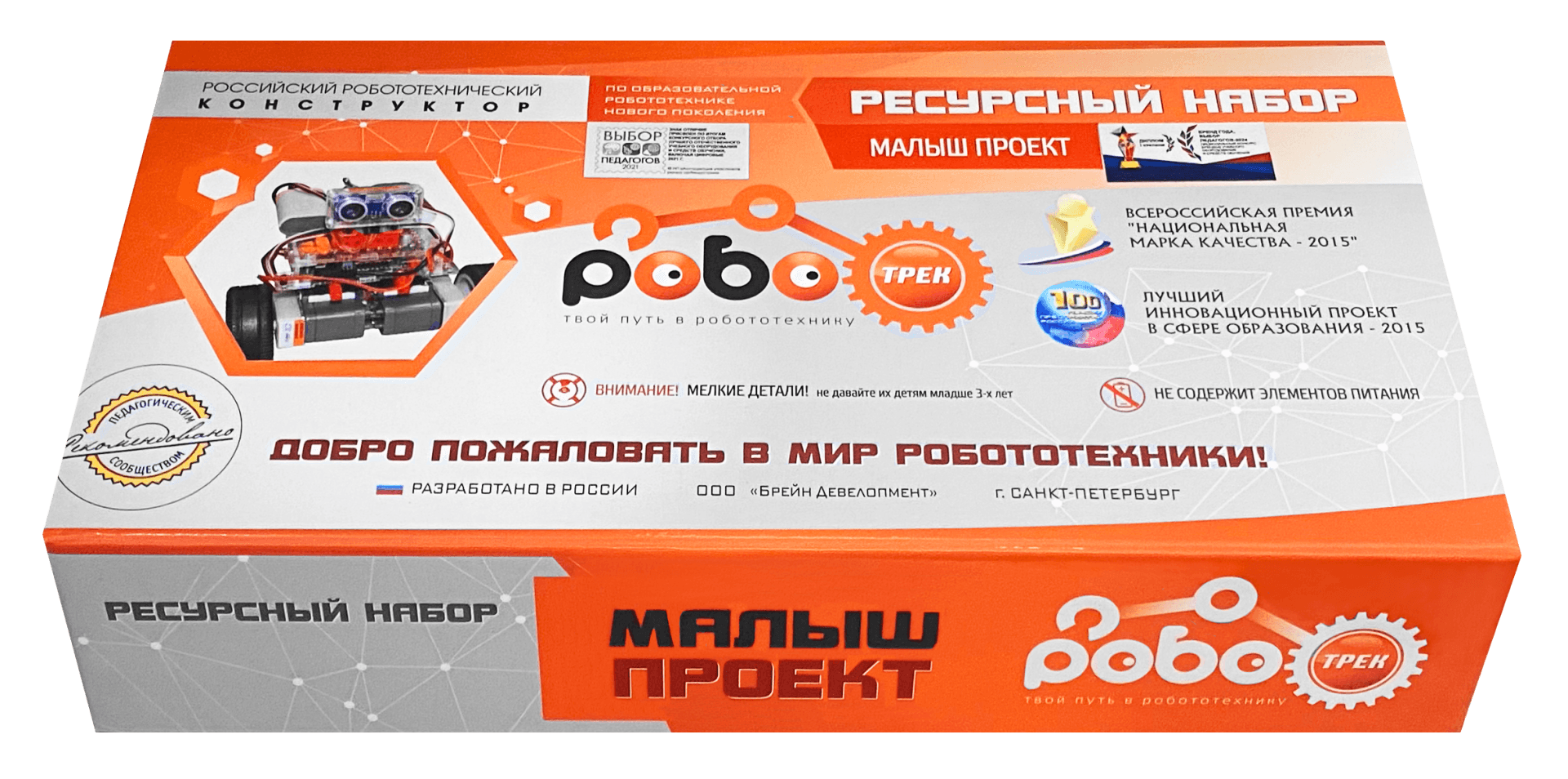
- Robotrack Malysh Project robotics project kit.
- Robotrack Kids IDE software. At the time this page was prepared, it supported sensors and virtual performers from the Malysh-2 kit, plus a small servo motor. A practical demo version is available here.
Teaching and learning sets
Introduction to Robotics and Electromechanical Construction Course
Learn moreNeurotechnology
Preschool children learn about the human brain and its functions. They explore basic concepts such as thinking, attention, memory, and imagination, and learn how the brain affects people's behaviour and actions.
The lessons are grouped by topic and show how neurotechnology can be used in transport, sport, medicine, and other areas. By training attention and memory and developing thinking skills, children are introduced to neuro-piloting: controlling a robot with brain signals. Through play, they explore human abilities and practise controlling objects such as robots.
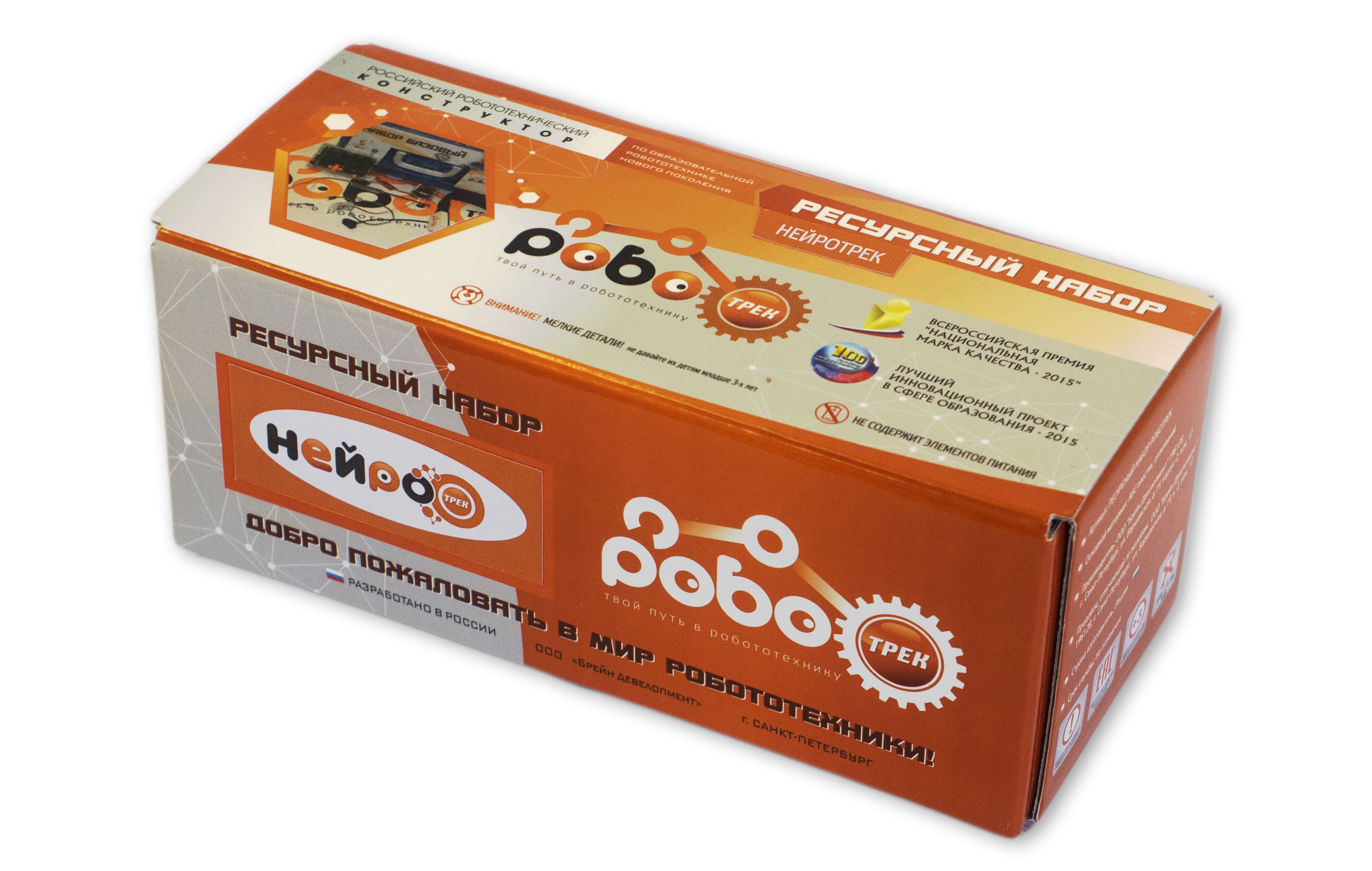
Practical sessions introduce simple robot design and modelling. Children explore sensors and motors and learn why they are used in neurotechnology kits and basic robot models. With robotics kits and the Neurotrek resource kit, they can build a robot dog, combine harvester, lunar rover, fire engine, household devices, and more.
The programme is designed for kindergartens and children aged 5–7. It uses play to develop basic cognitive skills and spatial reasoning, support school readiness, and provide material for additional general-development programmes.
Educational equipment and teaching package: Robotrack Malysh-2 robotics kit; Malysh Project kit; Neurotrek neurotechnology resource kit; and the The World Around Us: Fundamentals of Neuro-Piloting course.
Electrical engineering
Play-based activities introduce the basics of electricity and circuit building. From age five, children can explore electronics and circuit design with modern educational tools.
The course includes experiments that introduce the basics of scientific inquiry. For example, children can make and observe a rainbow in kindergarten. Inventor and experimenter Terry the Hedgehog, together with his friends Lightbulb, Electroshka, Positroshka, the Forest Air Fairies, and other characters, guide children through electronics, electricity, electrical engineering, and circuit design.
Associations and stories help children understand electrical concepts. Current becomes an electronic round dance; friendly electricity and a variable-resistance dimmer become an adventure in Ms. Lightbulb's garden; a capacitor leads to a journey through an amusement park; and circuits with a blinking LED or transistor introduce the world of engineers and inventors.
The play kit includes a workbench that makes it easy to assemble and test circuits without soldering. Children bend a spring terminal and insert a wire to connect the contacts. This method is safe and easy to understand. Resistors, capacitors, transistors, and other basic components are represented as friendly helper characters.
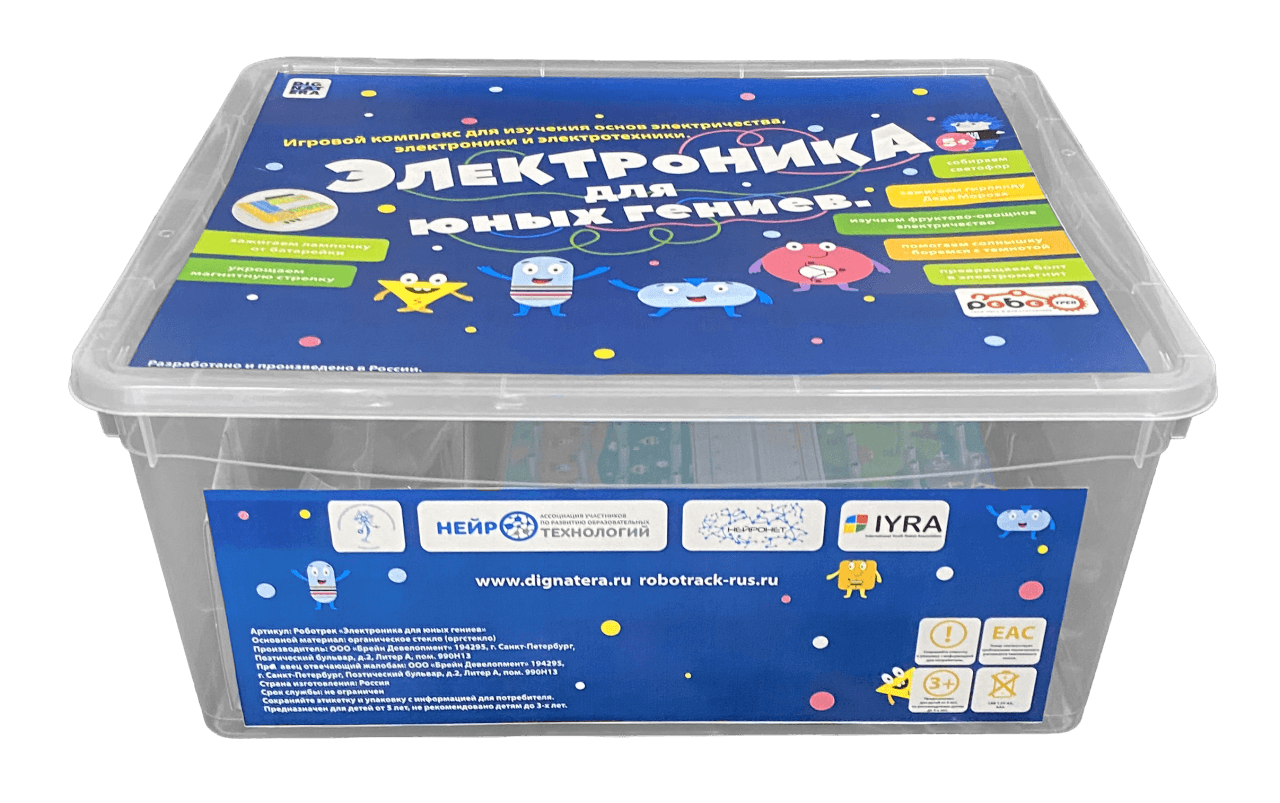
Educational equipment: Electronics for Young Geniuses, a play-based kit for learning the fundamentals of electricity, electronics, and electrical engineering.
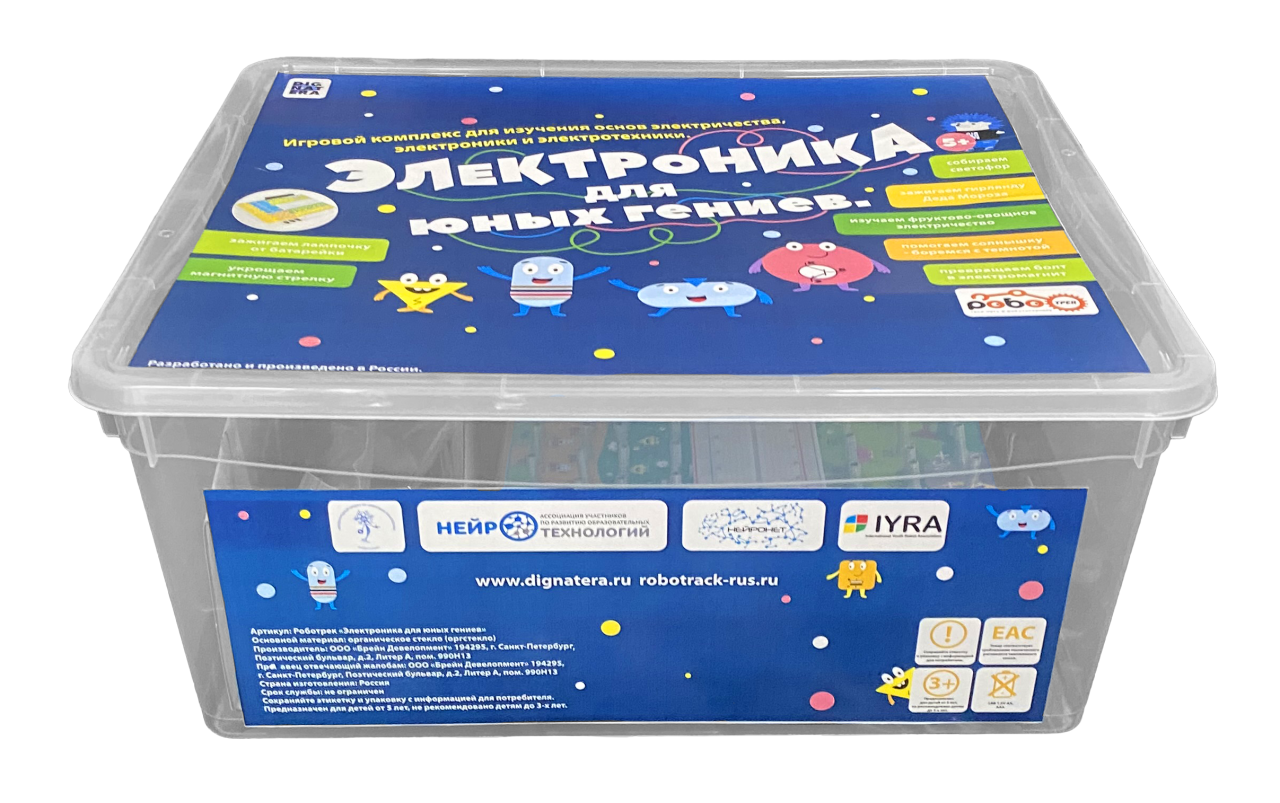 Educational laboratoriesElectronics for Young Geniuses Learning KitLearn more
Programming
Children gain their first digital skills using modern software environments and apps. They can try simple audio recording and photography and create their own cartoons and games. In an engaging format, they make animated films and computer games. With ScratchJr, children can invent stories and tell them in a digital world.
Teaching package: Introduction to Visual Programming: Creating First Computer Games and Animated Films in ScratchJr.
 Teaching and learning setsIntroduction to Visual Programming with ScratchJr CourseLearn more
Artificial intelligence
Hands-on activities with a robot and the Alice voice assistant introduce AI through play. Children learn how to give voice commands so the assistant can control a robot and see how AI can be useful. From age five, they explore how a voice assistant recognises speech, answers questions, starts activities, and interacts with devices. First they build a simple robot, then use voice commands and a smart speaker to control its route and actions. They can build a car, train, vacuum cleaner, or crane and control it by voice.
Trekikod is a programming environment for learning and creating in robotics, automation, and AI. Children move from block programming towards writing code and learn to work with controllers, sensors, and actuators. They can use ready-made neural networks for face and gesture recognition, age and gender estimation, and emotion and voice analysis. NNTrack provides activities for creating neural networks. These projects encourage creative thinking and experimentation.
Educational equipment and teaching package: Robotrack Malysh-2 robotics kit; the Artificial Intelligence in Preschool Education introductory set; practical activities with a demo version; and Trekikod software. Additional components include an IR sensor, LED modules, touch sensor, piezo buzzer, ultrasonic distance sensor, small servo motor, Yandex smart remote with Alice, and power supply. Component documentation is available in the Russian-language Wiki.
Competitions
DETalka
The competition develops scientific, technical, and engineering thinking and encourages schoolchildren, preschool children, and children with disabilities to consider technology-focused careers.
International IYRC competitions
Brain Development LLC and Robotrack LLC organise DETalka competitions in digital technology, educational robotics, and neurotechnology. They are also authorised representatives of the International Youth Robot Association (IYRA) and IYRC competitions in Russia and the CIS countries.

Ikaryonok
An all-Russian competition for preschool children. It introduces children to engineering from an early age, develops intellectual and creative potential and communication and leadership skills, and is part of the From Kindergarten to Production programme.
Children may also take part in robotics competitions that do not restrict brands, including competitions that allow Arduino-compatible boards.
Products in this area
Teaching and learning sets
Fundamentals of Electrical Engineering, Electronics, and Electricity Course
Learn moreTeaching and learning sets
Introduction to Robotics and Electromechanical Construction Course
Learn more