Robotrack educational solutions for agrotechnology classes (agricultural engineering) — learn more
AGRICULTURAL ENGINEERING SPECIALIZATION
Agricultural engineering follows the Russian Ministry of Agriculture's methodological guidance for creating agrotechnology classes in general education organizations as part of the federal project “Personnel for the Agro-Industrial Complex,” under the national project for technological leadership “Technological Support for Food Security,” No. КШ-13-27\9712, dated 6 May 2025.
The Robotrack educational and production suite combines theory with practical activities for in-depth study of electrical engineering, electronics, the Internet of Things, and agriculture. Innovative teaching methods help students develop analytical thinking, creativity, and the ability to apply what they learn.
Agricultural engineering applies engineering sciences and design principles to agriculture. With a growing population and limited resources, agricultural engineers help develop and implement innovative solutions that increase yields and reduce environmental impact.
Key areas of an agricultural engineer's work include:
- Developing and implementing agricultural machinery and equipment.
- Designing automated systems for agricultural businesses.
- Improving production processes in crop farming and animal husbandry.
- Creating energy-efficient technologies for the agricultural sector.
- Developing and adapting precision farming systems.
- Quality control of agricultural products.
Professionals who can adapt quickly, master advanced technologies, and take a comprehensive approach to problem-solving will play an important role in shaping the future of food production.
Robotrack suites were designed to meet the requirements established by the Russian Ministry of Agriculture. They are included in the recommended equipment list for agricultural engineering (Appendix 6) and support modern, high-quality technical facilities for agrotechnology classes.
Agricultural engineering classroom
8. Educational kit for electronics, electromechanics, and microprocessor technology
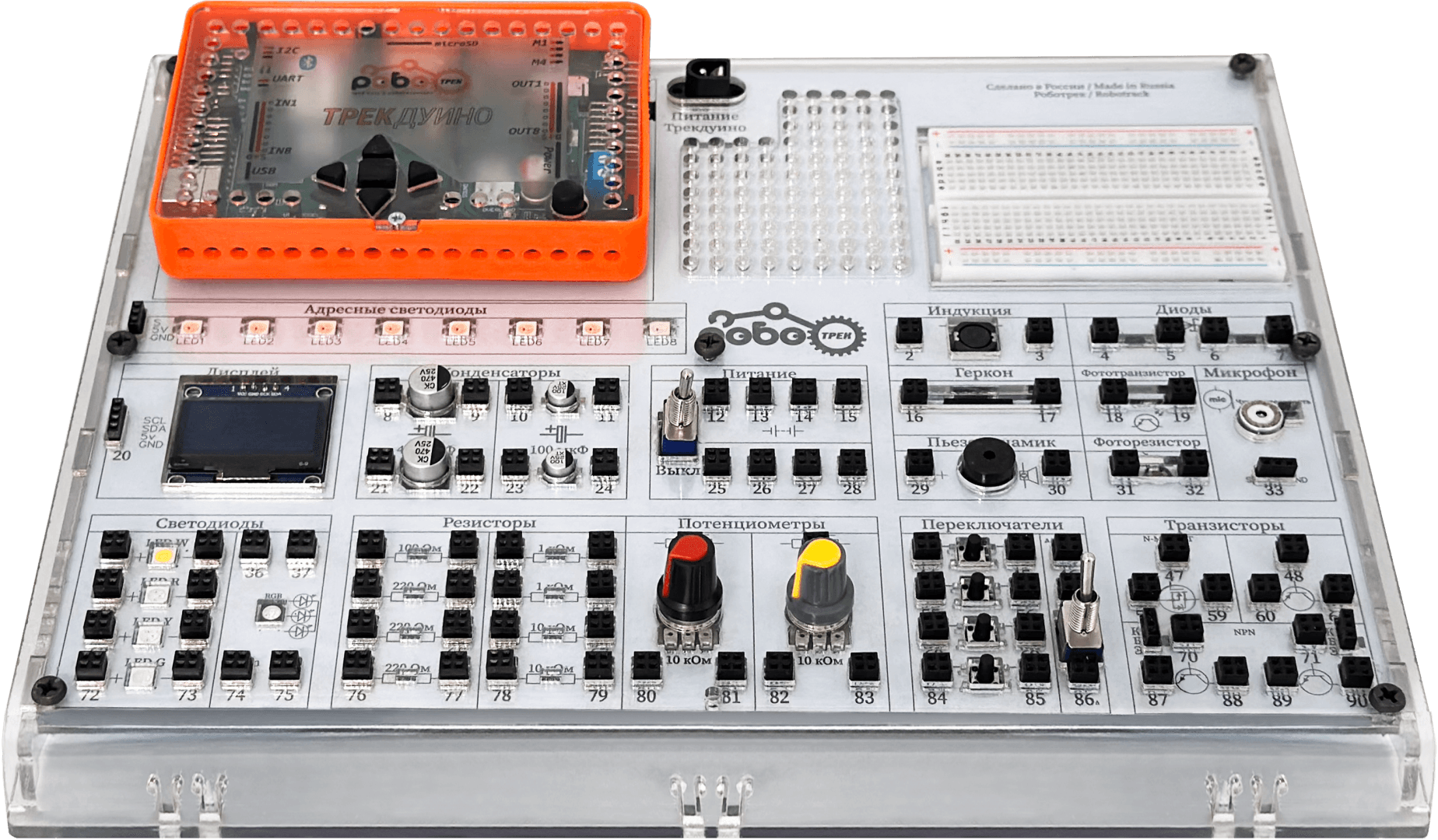
The Robotrack Electrical Engineering educational suite introduces electronics, electrical engineering, microprocessors, and electronic device programming.
9. Educational kit for communication technologies and IoT; a construction kit for programmable engineering system models
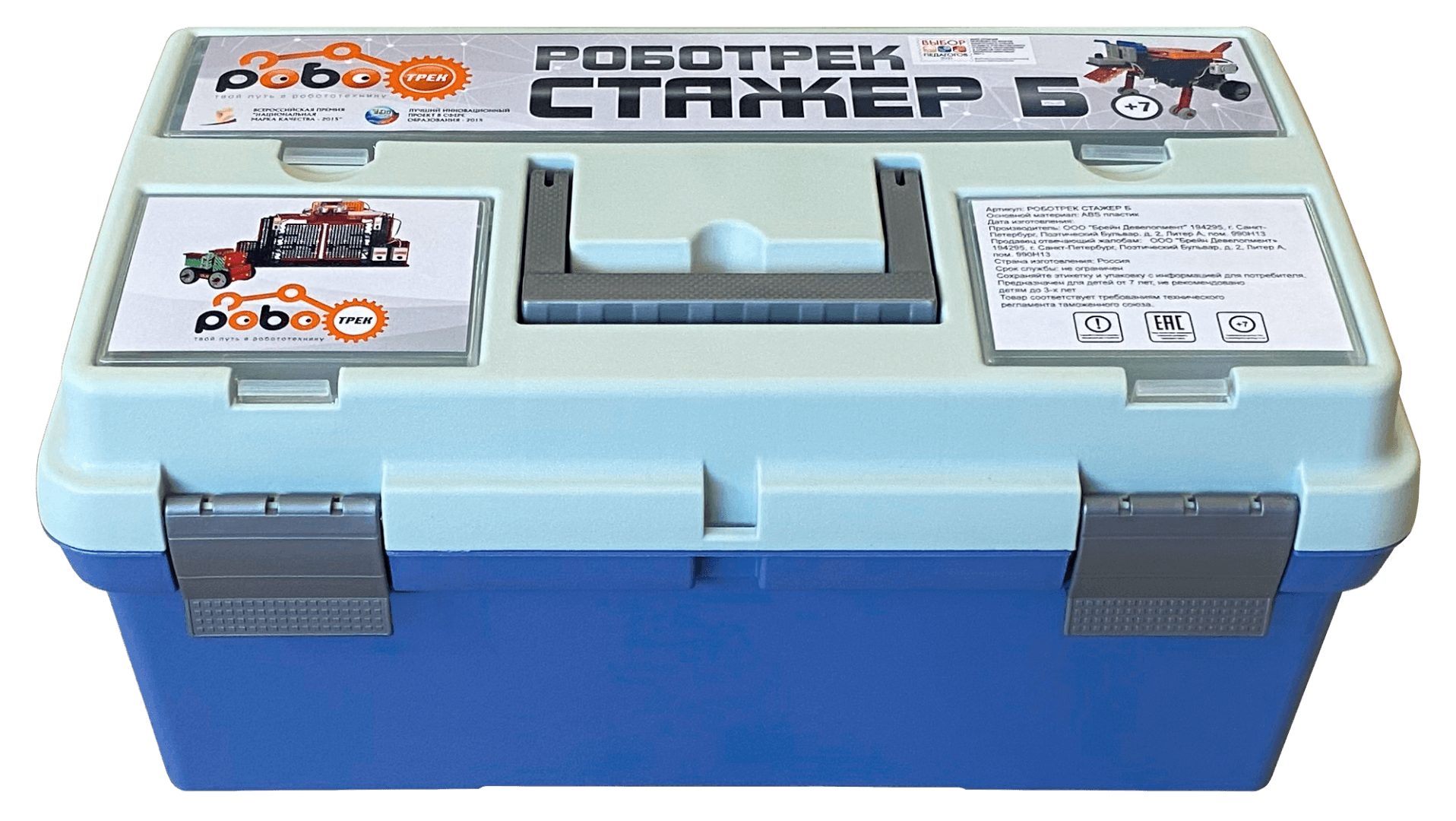
Robotrack Stazher B robotics kit — Internet of Things.
Robotrack Electrical Engineering educational suite
The suite is designed for project work and for teaching children and teenagers the fundamentals of electronics, electrical engineering, microprocessors, and electronic device programming. Students build circuits, program smart systems, work with sensors and motors, and develop interactive projects while building engineering skills and learning to use modern technologies. The suite includes a prototyping board and additional components. The board makes it easier to assemble circuits and test them without soldering: simply insert a wire terminal into a socket to connect the contacts. This connection method is safe, simple, and easy to understand.
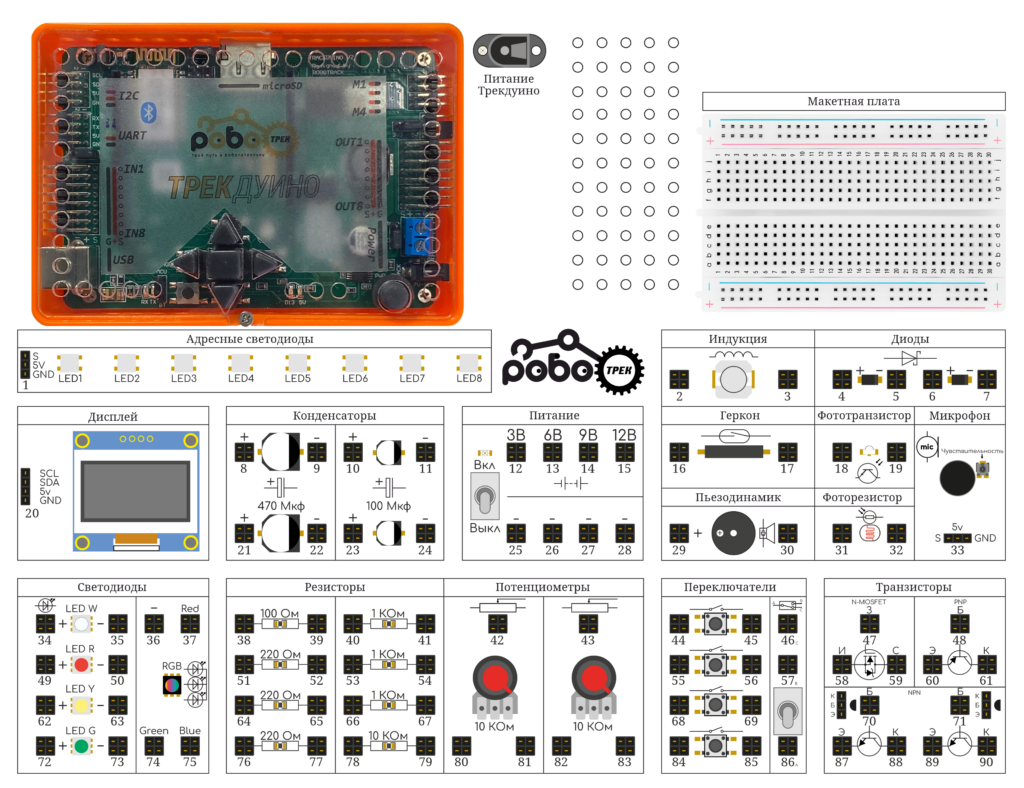
The computer software is based on Arduino IDE and includes a visual programming environment for creating programs from blocks without writing or editing code. It is fully compatible with Arduino boards and libraries. Based on the Ardublock project, the visual environment is an Arduino IDE plugin that generates C++ code from a block program. The visual program follows the same structure as the text-based program, making it easier to move from visual to text programming.
The suite includes a teaching course. Students learn the fundamentals of electronics and circuit design, microcontroller programming, IoT, and automation; build smart devices and robots; and develop engineering skills. More on the Wiki
Using soil moisture, air humidity, and atmospheric pressure sensors, students can develop projects that automate irrigation and monitor greenhouse microclimates. These activities build engineering skills and introduce electronics and microprocessor programming while connecting them to higher yields and sustainable agricultural production.
Robotrack Stazher B robotics kit
The Robotrack Stazher B robotics kit is designed for children aged 7–15 to study robotics, construction, programming, and the Internet of Things using a dedicated web application. It has beginner and advanced levels. Students learn to design and program simple and complex robotic systems. Wi-Fi connectivity links the kit to cloud servers, allowing users to control actuators and receive sensor readings over the Internet. A wide range of sensors supports IoT and smart home models.
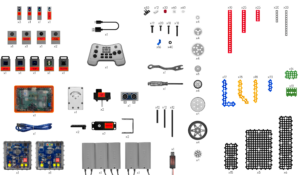
The computer software is based on Arduino IDE and includes a visual programming environment for creating programs from blocks without writing or editing code. It is fully compatible with Arduino boards and libraries. Based on Ardublock, the visual environment is an Arduino IDE plugin that generates C code from a block program. The visual program follows the structure of the text-based program, making the transition to text programming easier. A web platform hosted on a Russian server enables remote control of the microcontroller and retrieval of data from connected sensors. More on the Wiki
By exploring Internet of Things technologies with the Stazher B robotics kit, students can design and build robotic devices and develop these agricultural projects:
- Aquafarm: automatic fish feeding based on lighting.
- Poultry farm incubator.
- Refrigerated chamber for a dairy farm.
- Automatic washing and drying of fruit and vegetables.
- Farm-cleaning robot.
- Automatic feed mixer.
- Farm noise monitoring to track livestock hunger.
- Feed delivery cart for a farm.
- Automatic parking for agricultural machinery.
- Automatic farm gates.
- Railway: an automatic level crossing at an agricultural facility.
- Automatic grain elevator.
- Automatic fire monitoring at an agricultural facility.
- Robotic dog for herding livestock.
- Smart farm.
Additional recommendation
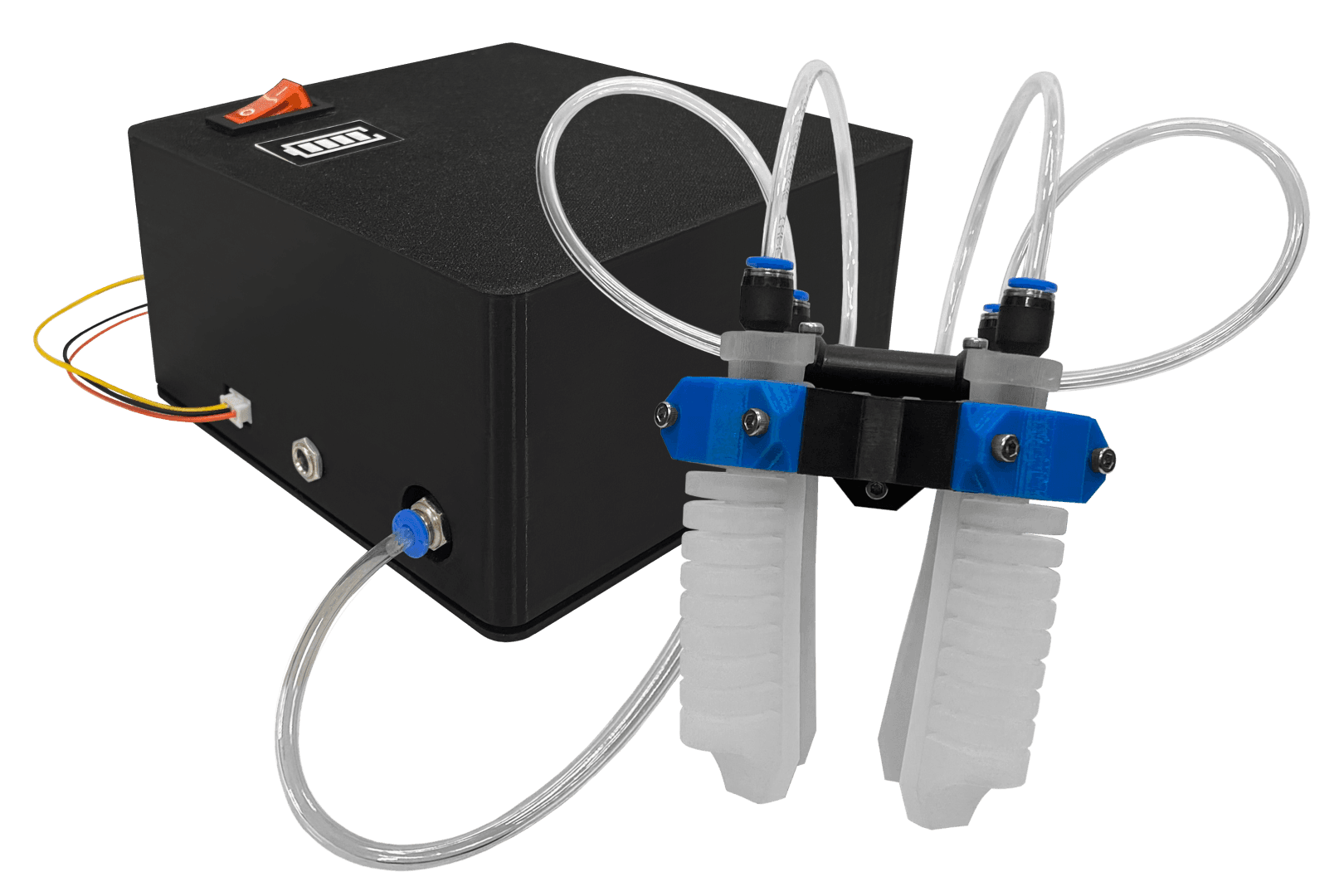
The company has developed educational equipment for agricultural technology classes in manipulator robotics. It combines neural networks and machine vision with a soft gripper. This equipment introduces students to core principles of process automation, production robotics, and electrical devices. Learning the basics of video analysis and processing also introduces modern robotic systems that use computer vision and artificial intelligence for key tasks.
Learn more about soft robotics for agrotechnology classes
Agriculture is becoming increasingly technology-driven. Introducing students to advanced solutions today helps prepare future professionals for the challenges of the agricultural industry. A soft-gripper manipulator with machine vision and NNTrack software is a practical tool for agrotechnology classes. It teaches robotics and artificial intelligence while addressing real tasks such as sorting and packing agricultural products.
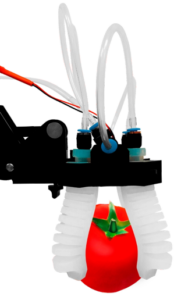
How is it used in agrotechnology classes?
- Product sorting: Machine vision lets the manipulator recognize objects by shape, color, and size. This can automate sorting, for example by separating ripe fruit from unripe fruit or grouping products by category.
- Packaging: The soft gripper gently picks up products and places them in packaging without damage. This is especially useful for delicate fruit and vegetables such as tomatoes, strawberries, and grapes.
- NNTrack integration: NNTrack software lets students create and train neural networks to control the manipulator, for example to recognize specific products or optimize sorting.
- Learning technology: Students gain hands-on experience with robotics, machine vision, and AI and learn how automation can improve agricultural processes.
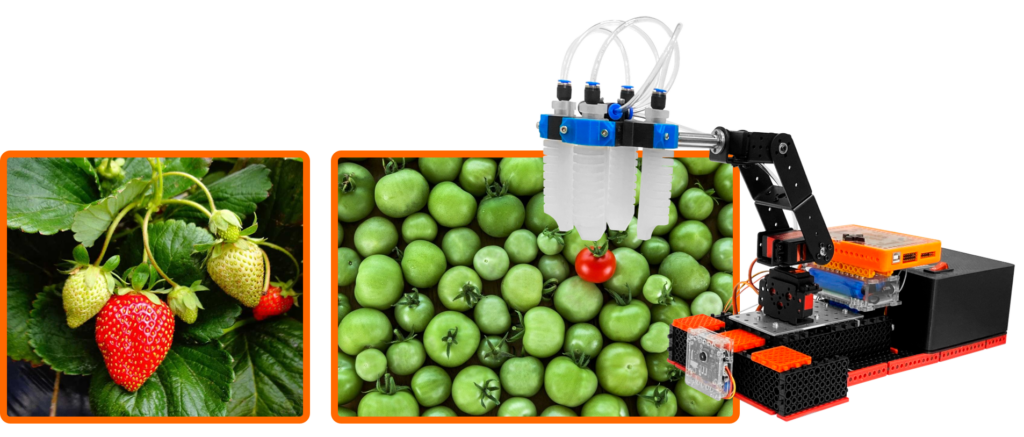
A soft-gripper manipulator is an educational tool that helps students explore modern technologies and apply them in practice. It opens new possibilities for agricultural automation, making processes more efficient and safe. More on the Wiki
A soft-gripper manipulator with a computer vision system can automate the handling of delicate agricultural products. Students can develop projects such as:
- Automating the harvesting of berries, fruit, and vegetables (strawberries, tomatoes, apples, and peaches).
- Identifying ripeness by the color of fruit and vegetables.
When connected to NNTrack, the manipulator can also:
- Assess product quality by finding damaged or spoiled fruit.
- Find weeds.
- Monitor plant health by analyzing leaves, and more.
Explore advanced agricultural technology through workshops combining robotics, computer vision, and artificial intelligence.
Students learn to create and train neural networks that recognize plant condition, program soft-gripper manipulators to sort crops carefully, and implement smart automation systems based on computer vision and AI.
Workshop: Create a neural network to classify plants
Goal: Learn the principles of creating, training, and testing a convolutional neural network that recognizes plants from their leaves.
Workshop: Control a soft-gripper manipulator with computer vision and artificial intelligence
Goal: Learn the principles of soft-gripper control in robotics and automate the manipulator using a camera.
Products