Brain Development LLC and Robotrack LLC are Russian developers and manufacturers of educational systems for young people. These systems develop engineering and design skills, scientific inquiry, and technical abilities.
Students can explore robotics, the Internet of Things, manipulator robotics, electrical engineering, mechatronics, computer vision, artificial intelligence, neurotechnology, and programming, and take part in competitions or visit a mobile laboratory.
Robotics
Students learn mechanics, electronics, and programming by building models with manipulators, lifts, automatic systems, and sensors. They work with touch, distance, colour, temperature, magnetic-field, and other sensors; develop algorithms and autonomous robot control; and gain practical experience with controllers, Bluetooth interfaces, displays, and geared motors.
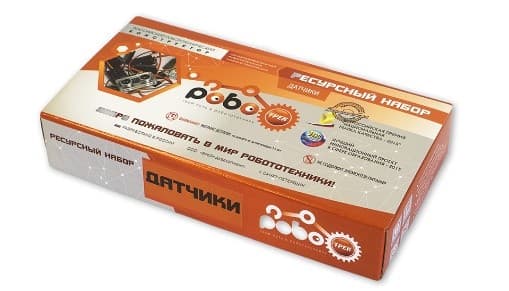
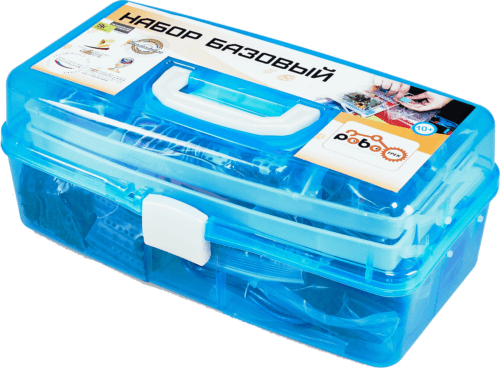
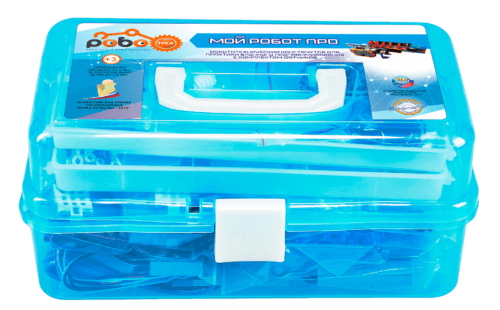
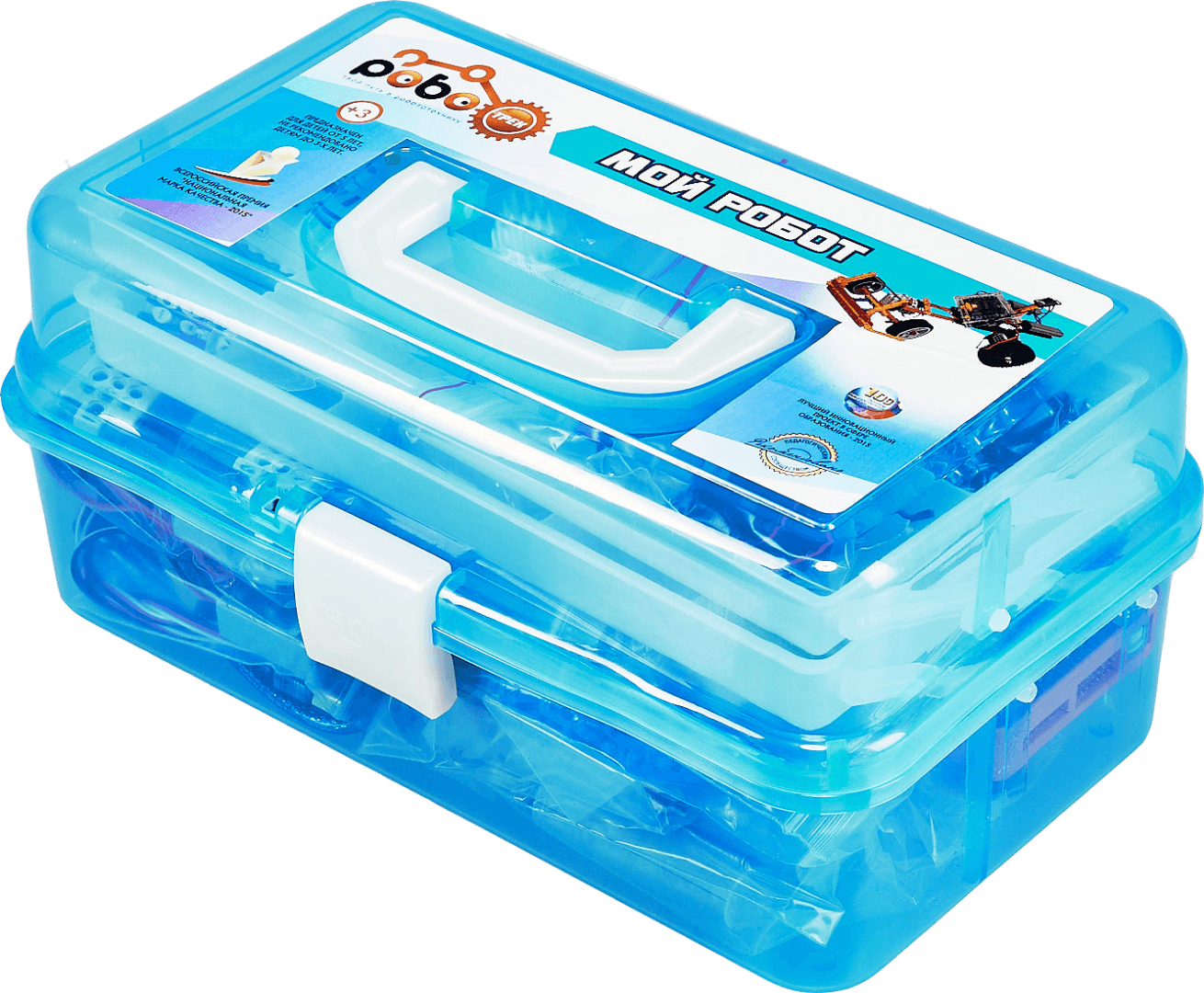
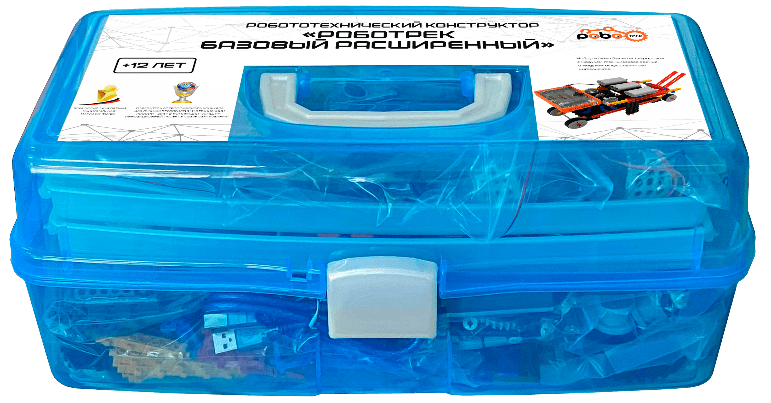
Educational equipment and teaching package: Robotrack Basic robotics kit with Sensors and Touch Display resource kits and the Fundamentals of Designing and Programming Robotic Devices: Basic Course. Alternatively, use the Basic Extended kit with the same course. Other options include the My Robot kit with the introductory course and the My Robot PRO kit.
Продукция
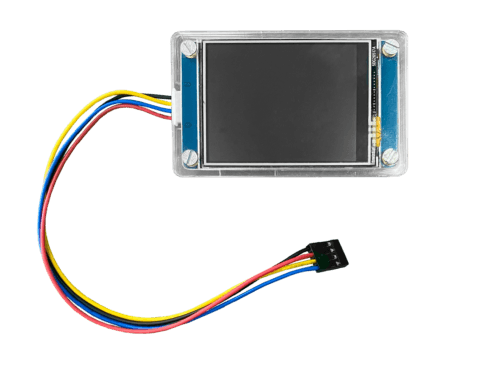
Robotrack Touch Display resource kit
Internet of Things
Students create working models of smart devices, from automatic gates and alarms to robots and household appliances. They use construction kits and a web application, control devices over the internet, read sensor data, and activate mechanisms in real time. The activities develop technical thinking, programming skills, and an understanding of smart systems. Students also learn about IoT careers such as smart-home designer, IoT engineer, industrial robotics developer, and automation specialist.
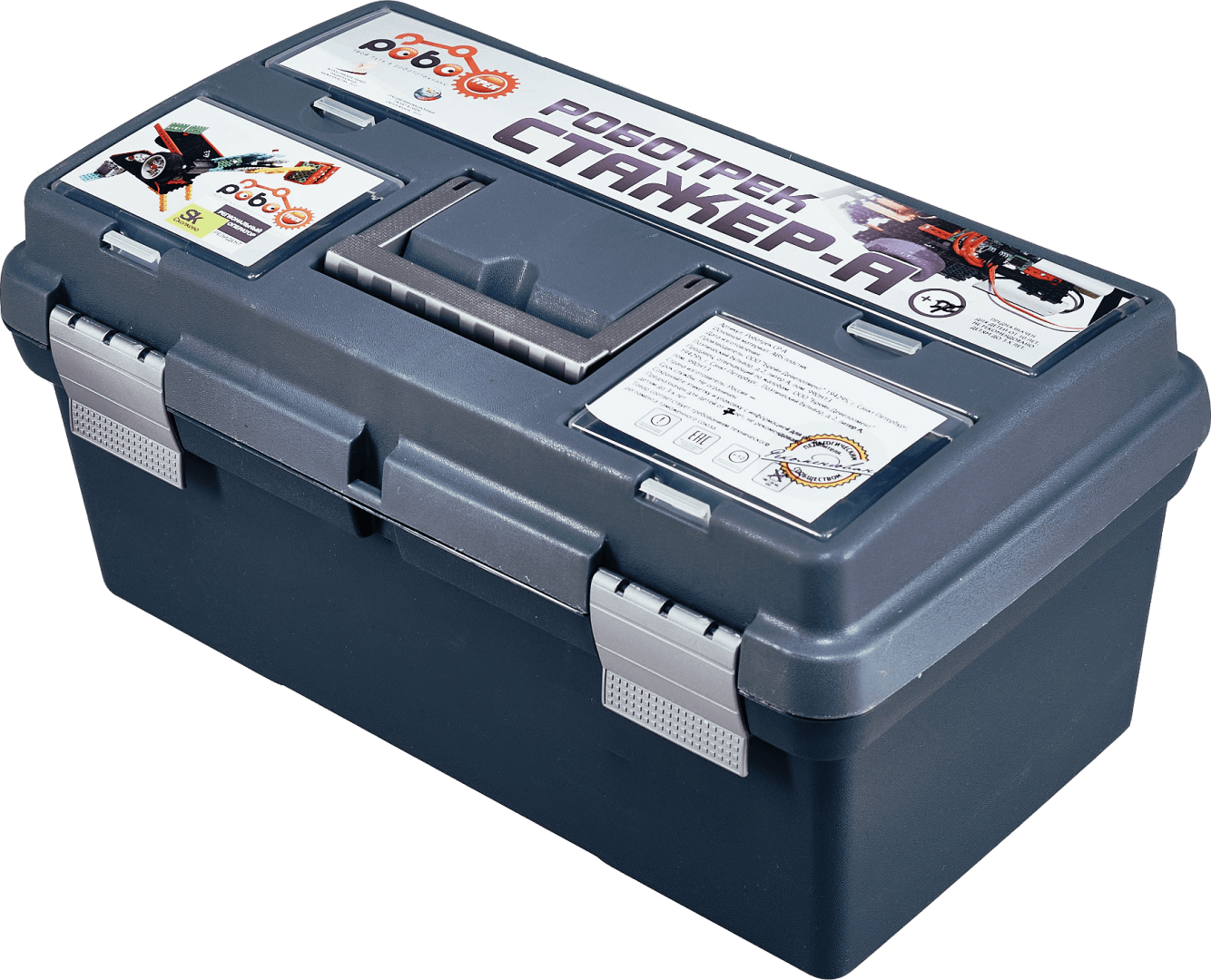
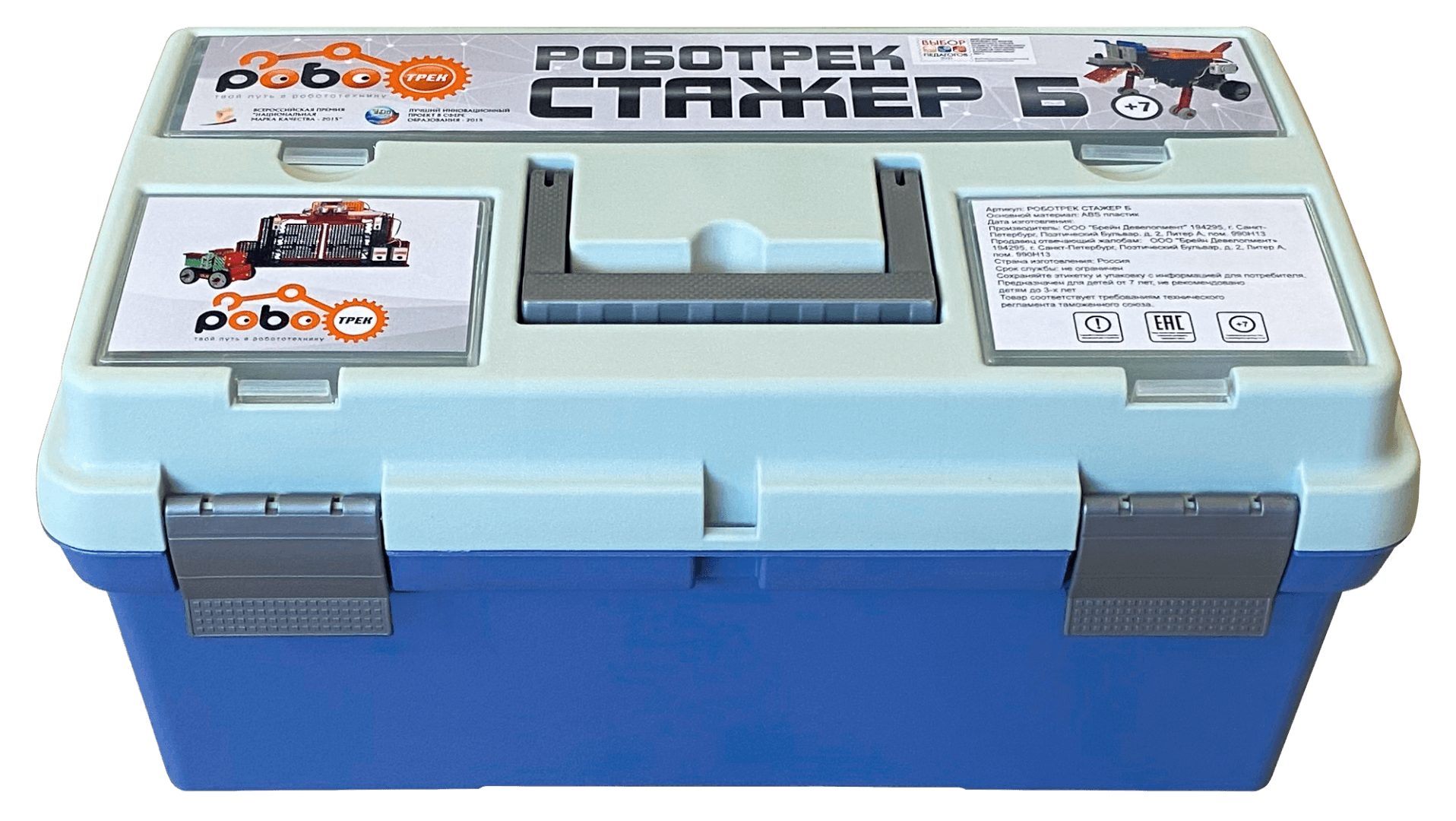
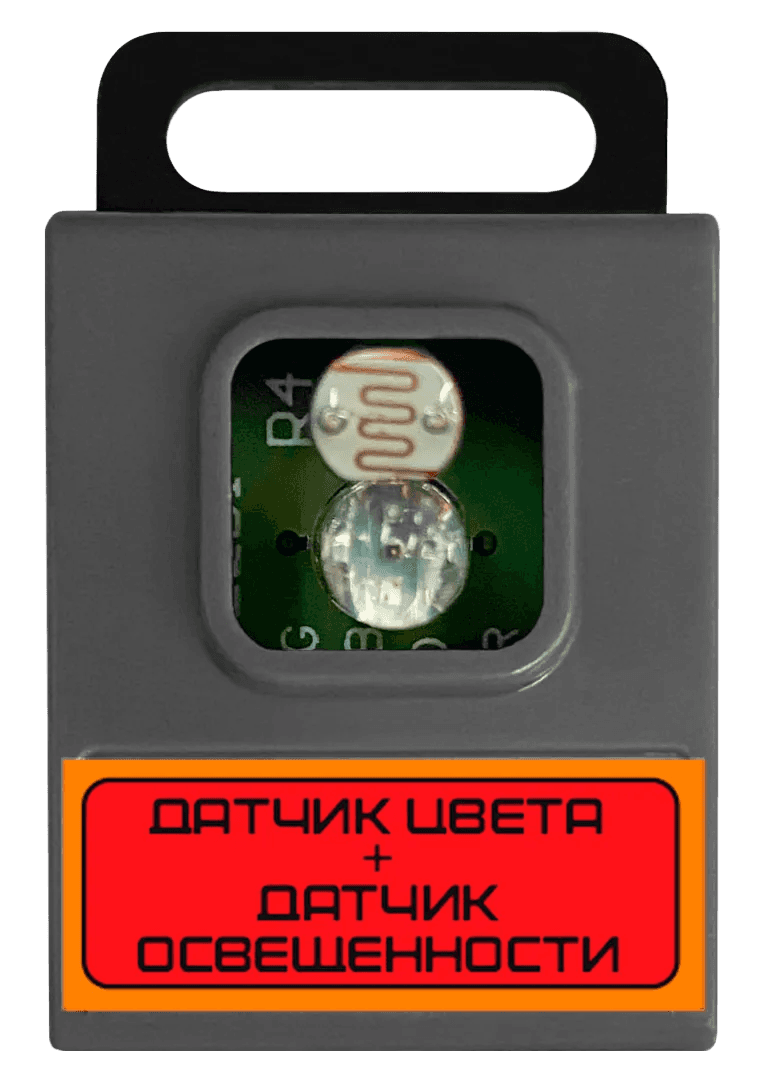
Educational equipment and teaching package: Robotrack Stazher B, or Stazher A with a Wi-Fi module, analogue sound sensor, colour and light sensor, ultrasonic distance sensor, tilt sensor, fire sensor, and magnetic-field sensor; plus the Internet of Things practical course (demo version).
Manipulator robotics
Practical work with educational equipment introduces the fundamentals of manipulator robotics and how these systems are controlled. Students can explore automation and manufacturing robotics, electrical devices, and how neural networks and computer vision can be applied to manipulators.
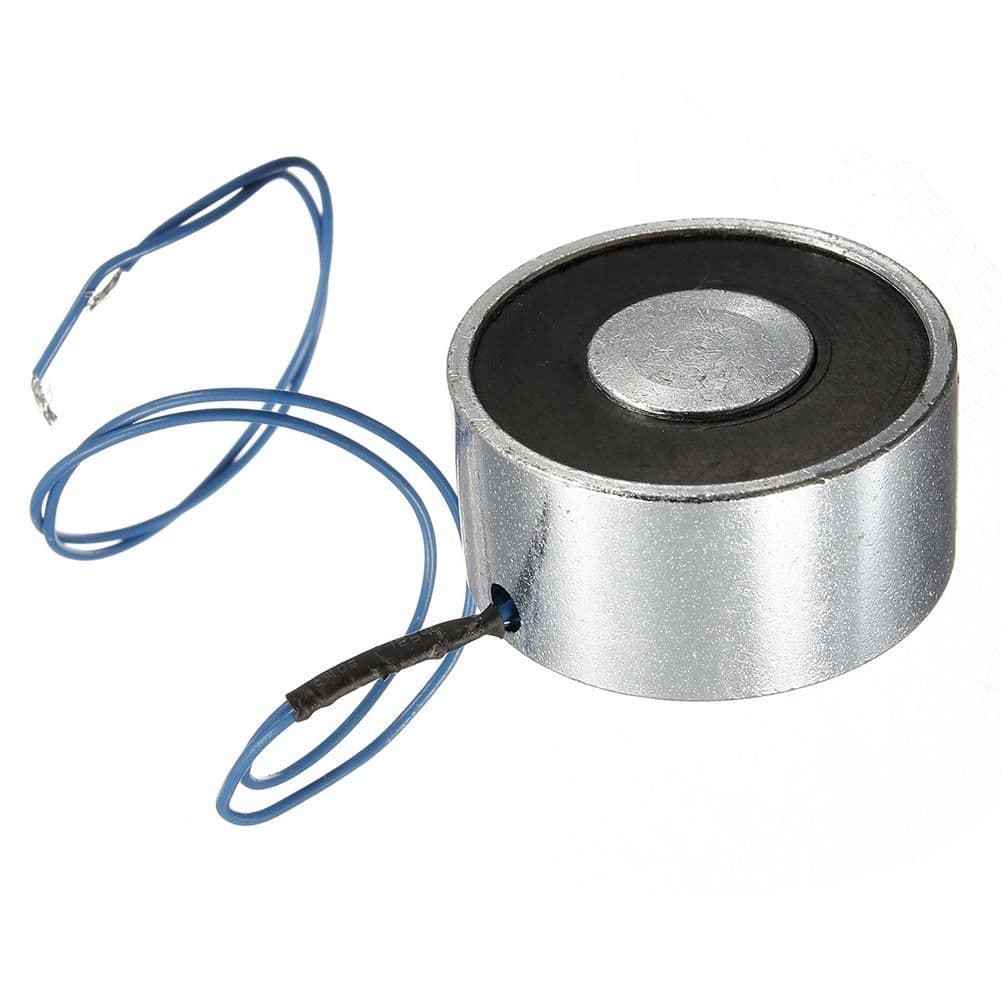
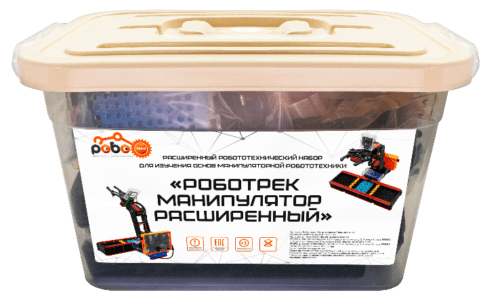
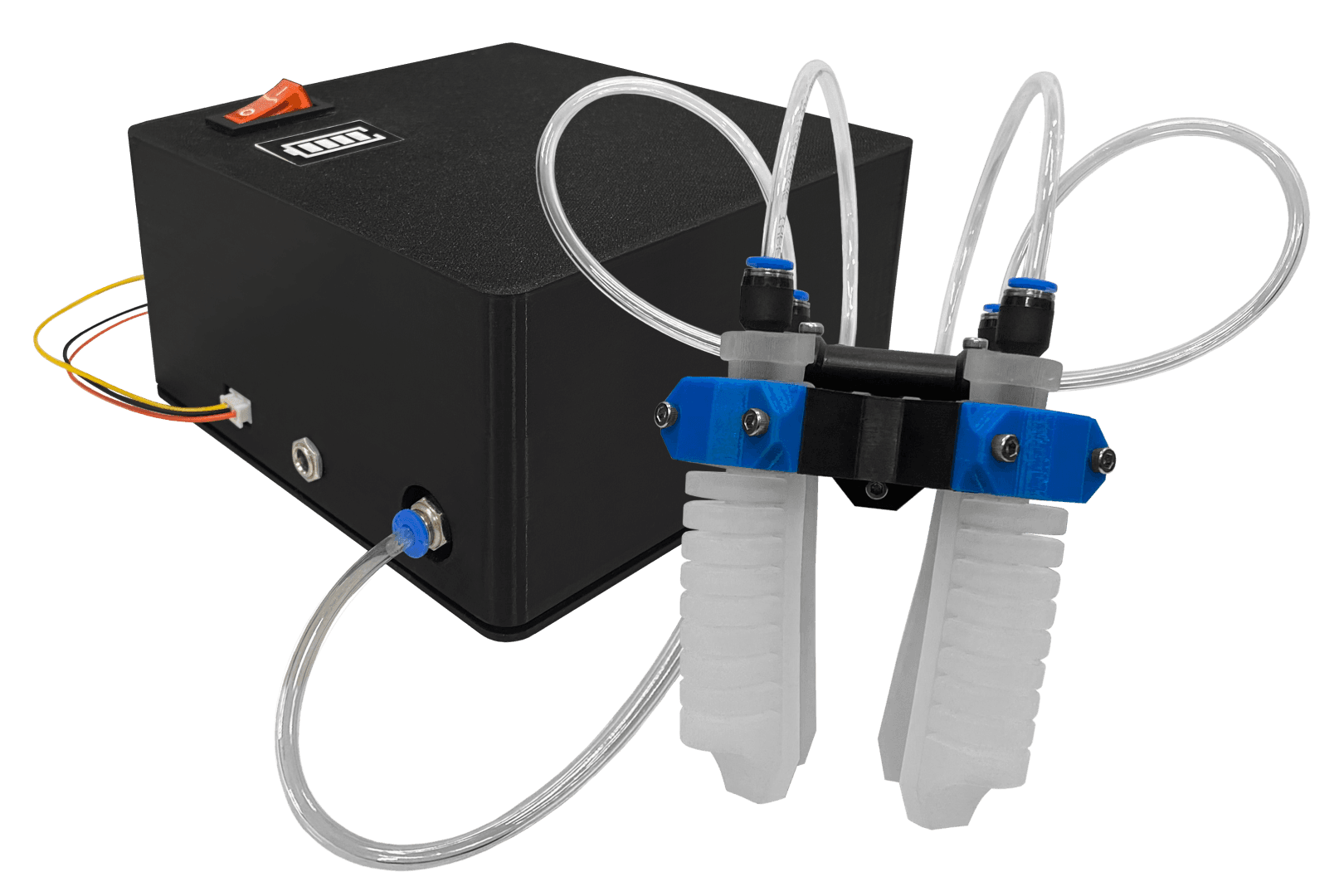
Educational equipment and teaching package: Robotrack Manipulator basic and extended kits; the Soft-Grip Manipulator robotics kit; interchangeable Electromagnet, Pen Holder, and Soft Grip attachments; and the Manipulator Robotics practical course.
Продукция
Robotrack Manipulator (Extended) kit
Продукция
Soft-Grip Manipulator robotics kit
Electrical engineering
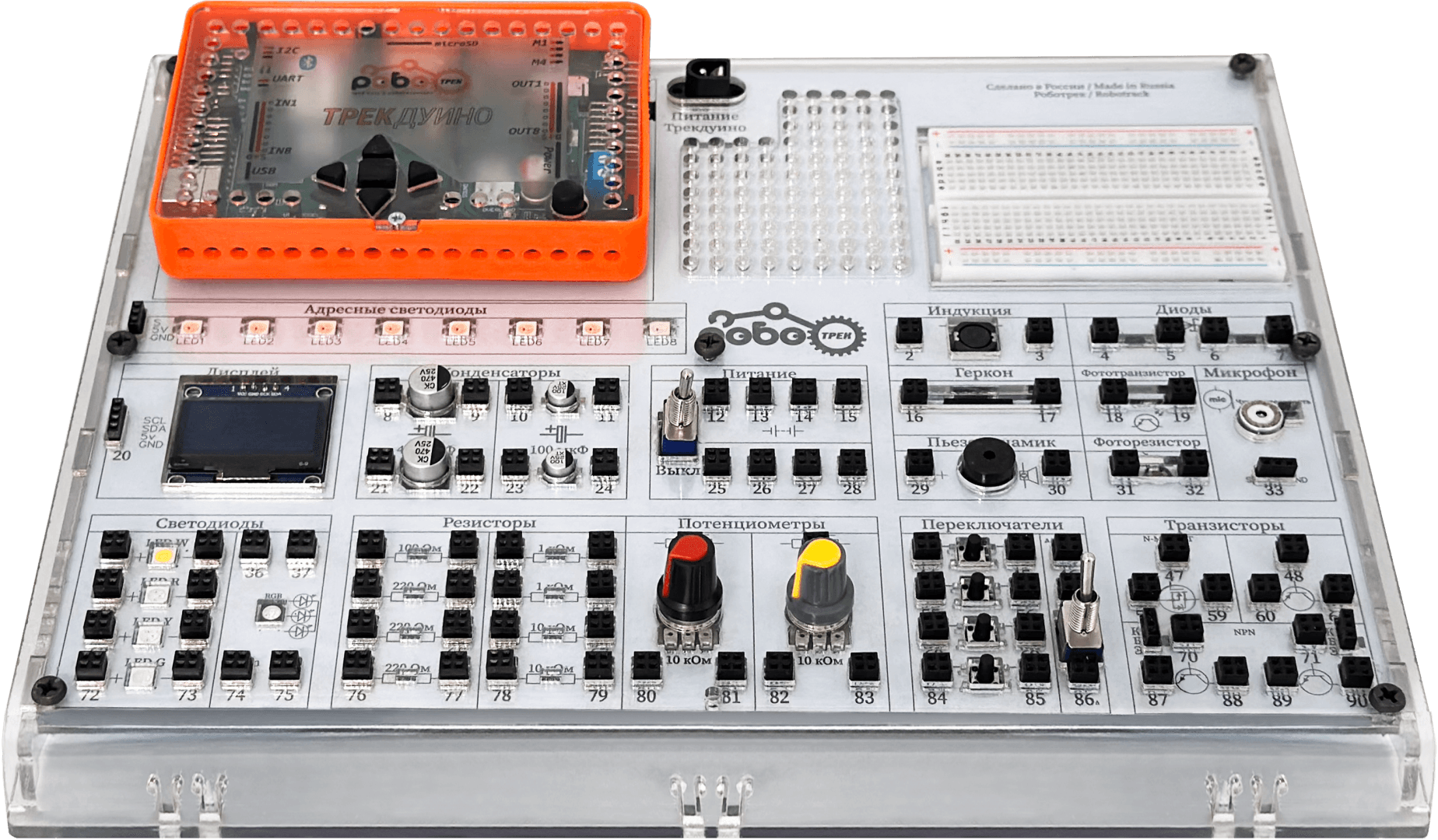
The educational system supports projects and lessons in electronics, electrical engineering, microprocessors, and programming electronic devices. Students build circuits, program smart systems, work with sensors and motors, and prototype interactive projects. A workbench makes it easier to assemble and test circuits without soldering: wires are inserted into terminals to connect contacts, a simple and safe method.
Educational equipment and teaching package: Robotrack Electrical Engineering with teaching materials, or Robotrack Electrical Engineering PRO, a rapid-prototyping system based on a microcontroller platform with a built-in interpreter, also with teaching materials.
Mechatronics
Students learn how mechanical and electronic components work together in a robotic system. They explore mechanisms, connect actuators and sensors to microcontrollers, and apply what they learn to automate simple processes. The course develops engineering thinking and shows practical uses for mechanical transmissions. Lessons trace cause and effect in complex systems; for example, a crank-and-slotted-lever mechanism is introduced through the familiar third-class lever.
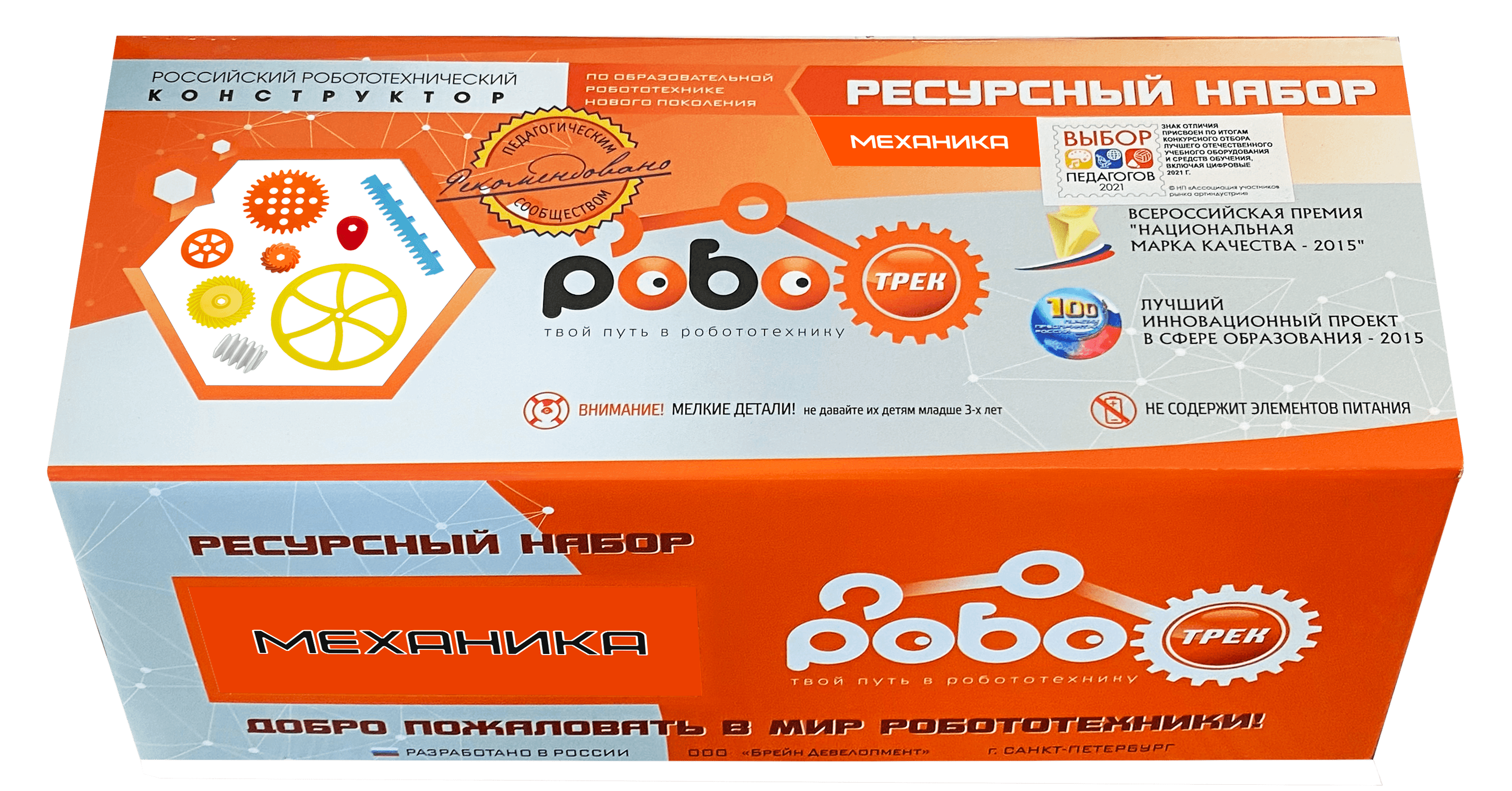
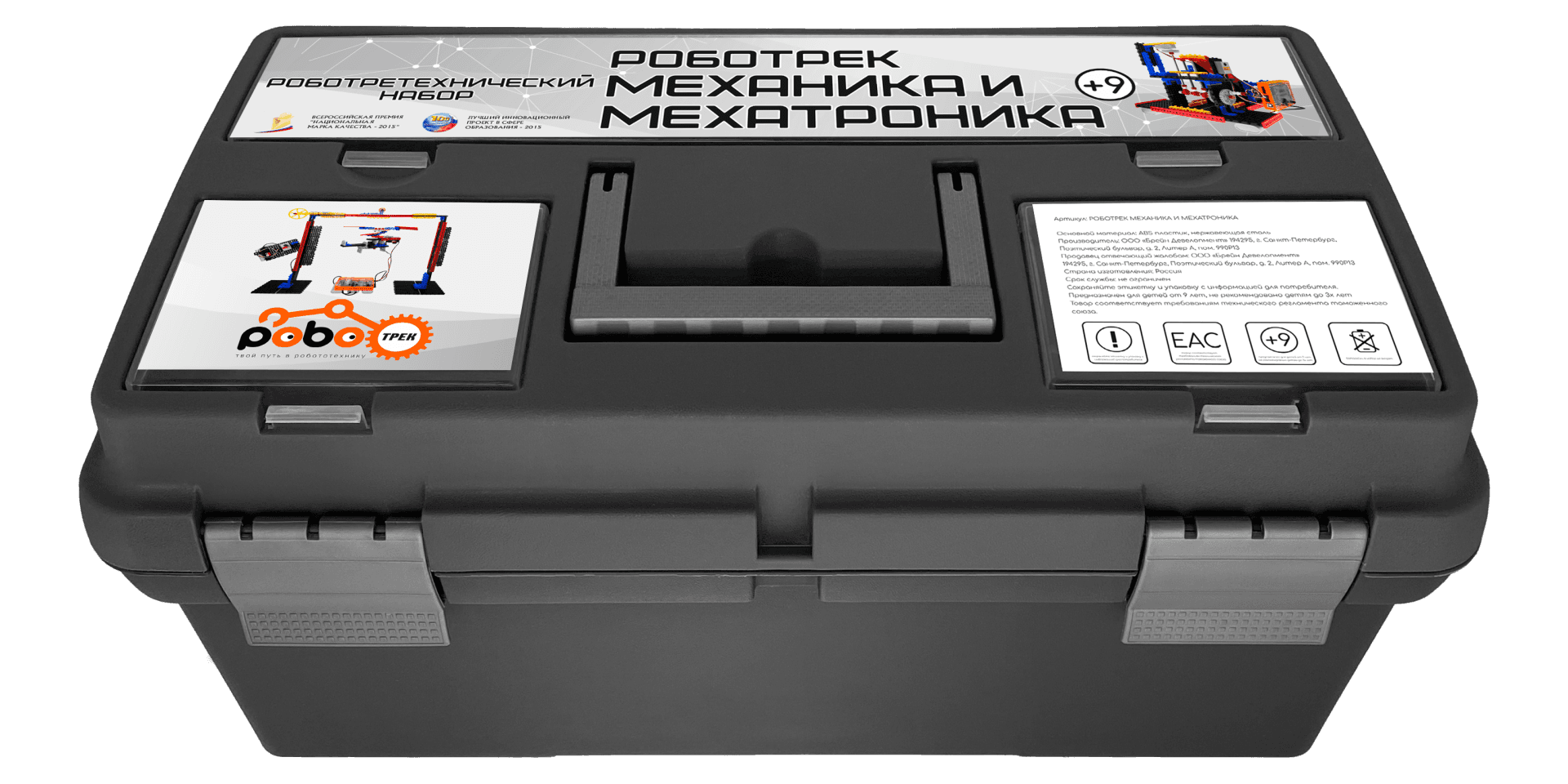
Educational equipment and teaching package: Stazher A with Introduction to Mechatronics; the Mechanics resource kit; Robotrack Mechanics and Mechatronics; and the Entertaining Mechanics course.
Продукция
Mechanics resource kit
Computer (technical) vision
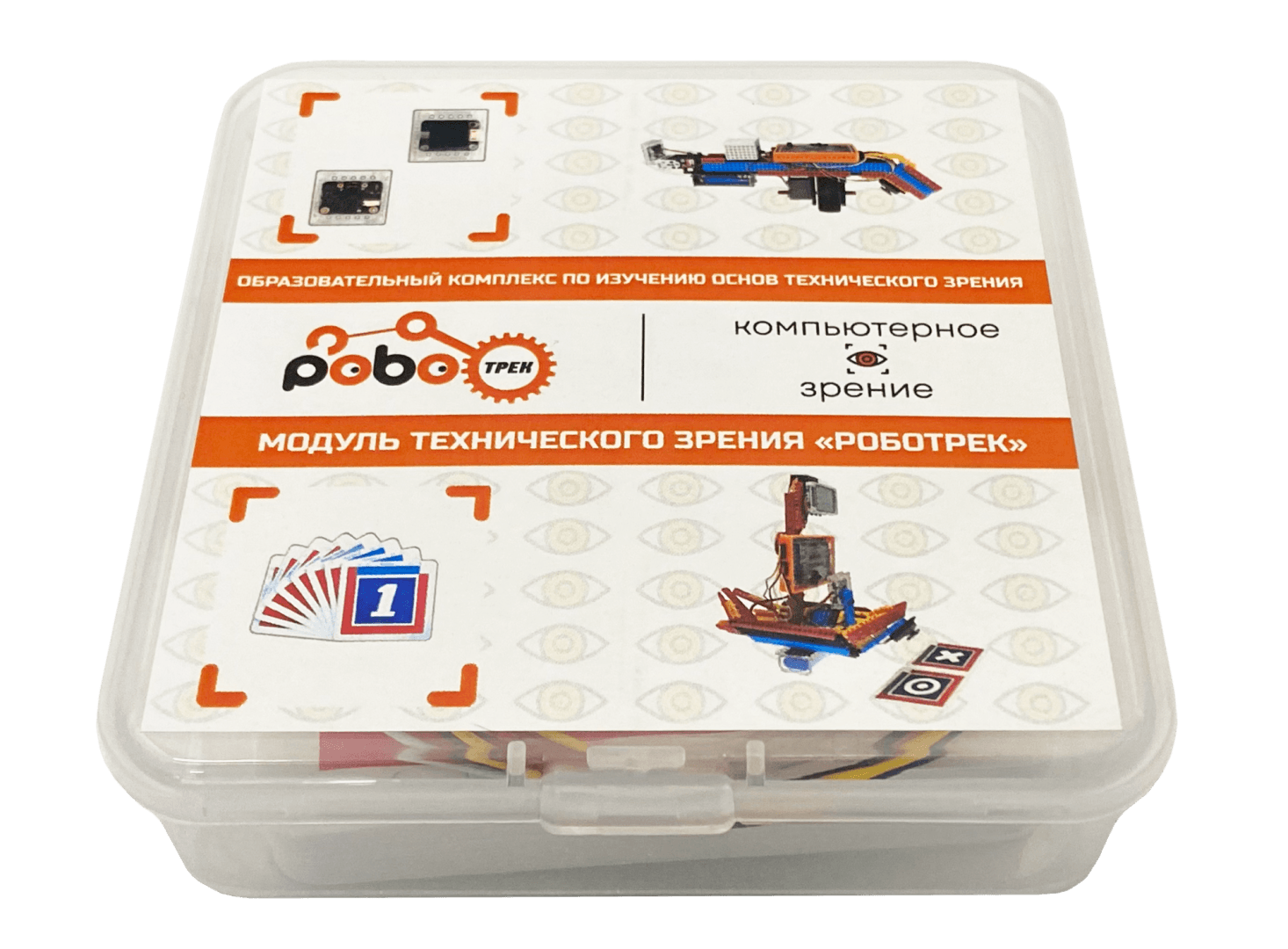
Students study recognition of movement, colour, shape, barcodes, faces, symbols, and objects; image encoding and colour palettes; line and edge detection; authentication; object tracking; and basic image processing. They use QR codes and AprilTag and build and program robotics systems with smart cameras. Projects described on the source page include video surveillance, voice assistants, a robot goalkeeper, an automatic checkout, a smart vehicle, barcode scanning, face recognition, and unmanned transport. Students create and present their own projects and use Robotrack IDE to learn visual programming, algorithms, and robotic control logic.
Educational equipment: Robotrack Basic with Sensors and Touch Display kits, or Basic Extended, plus the Robotrack Technical Vision Module.
Продукция
Robotrack Touch Display kit
Artificial intelligence
The Fundamentals of Artificial Intelligence course introduces neural networks and their use in recognising movement, colours, images, faces, and objects. Students work with the MNIST dataset, build and program text- and emotion-recognition models, and explore voice-controlled systems. Project ideas include a voice assistant, object detector, and gesture-recognition system.
NNTrack offers visual blocks for building, training, and testing neural networks without programming. Students work with datasets and model hyperparameters and can integrate their models with robotics kits. The activities develop digital skills, analytical thinking, and research practice.
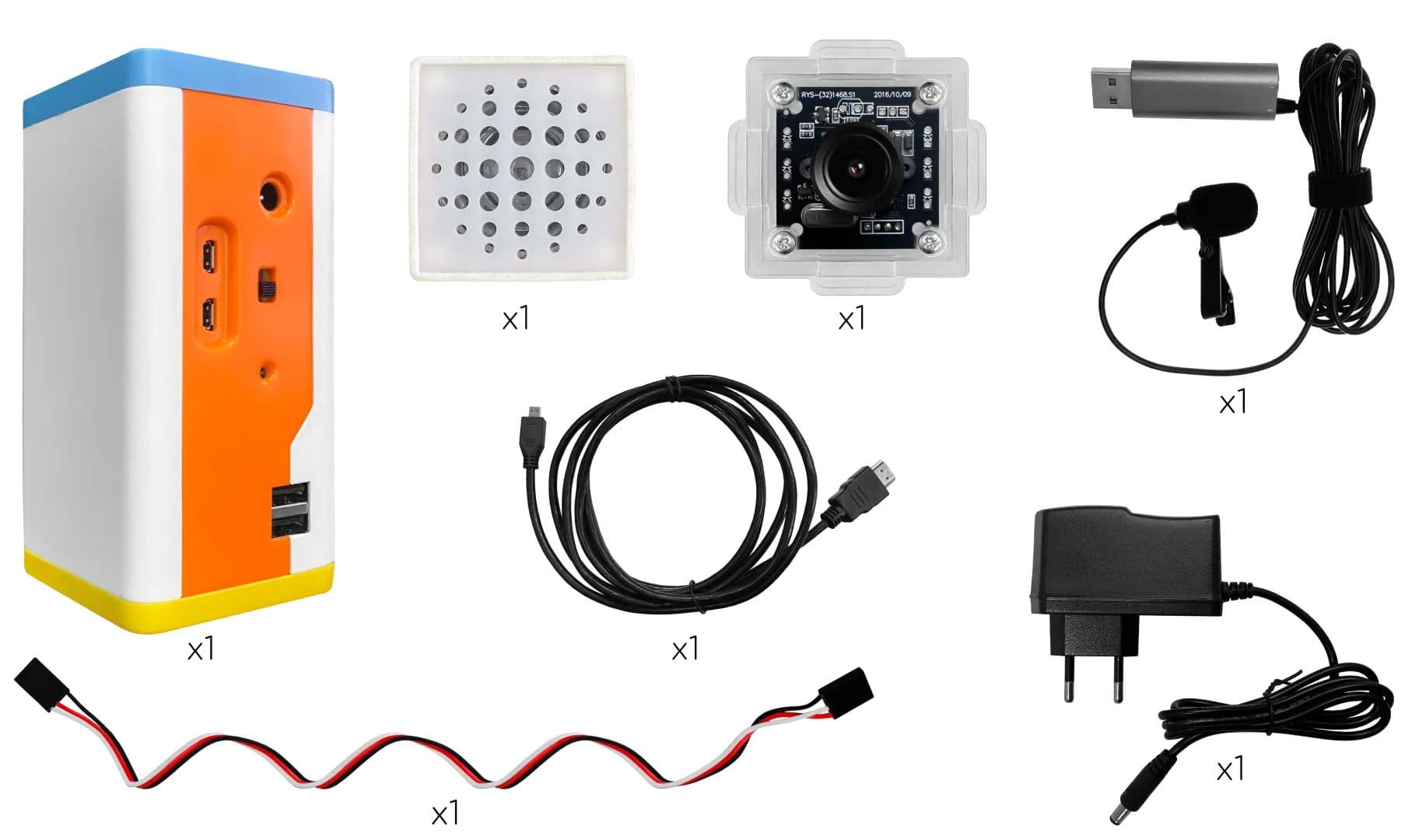
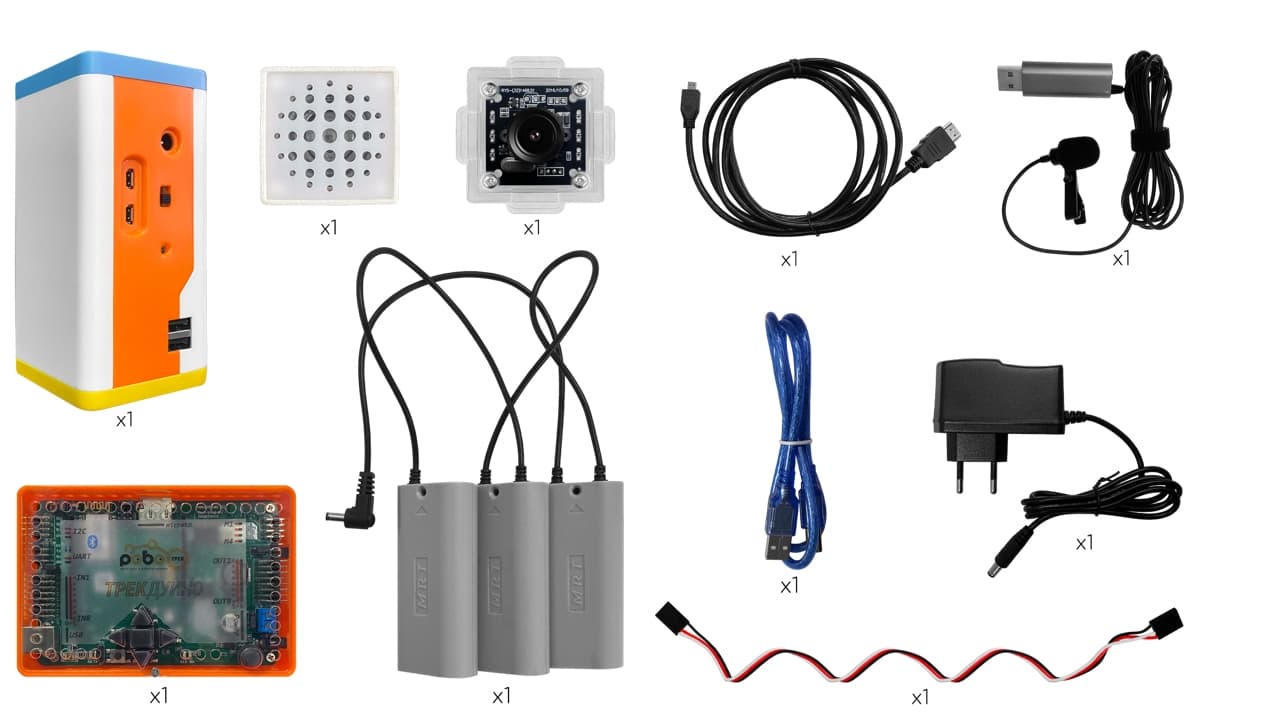
Educational equipment and teaching package: Robotrack Basic with Sensors and Touch Display, or Basic Extended; Artintrek Basic or Artintrek PRO AI educational systems; the Fundamentals of Artificial Intelligence course; and NNTrack with the Developing and Training Convolutional Neural Networks in NNTrack course.
Neurotechnology
Students explore cognitive processes, brain activity, brain-computer interfaces, and neuro-piloting, applying biosignals to control robots. The course introduces neuroscience, psychophysiology, brain rhythms, biofeedback, and practical brain-computer interaction. Projects connect neurotechnology with robotics and engineering.
Educational equipment and teaching package: neurotechnology and robotics kits, Neurotrek and Audiotrek resource kits, and the Young Neurophysiologist-Engineer course.
Programming
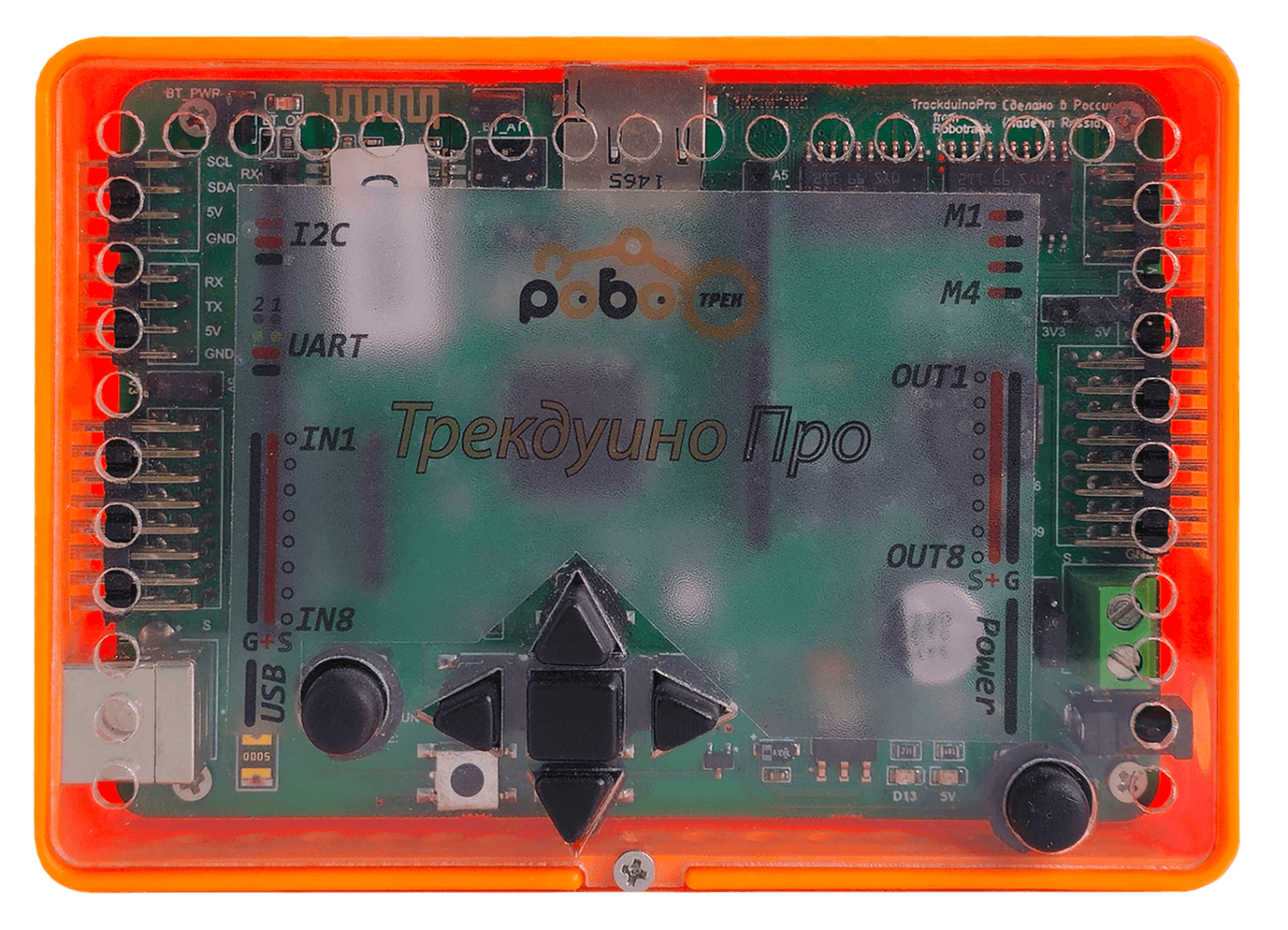
Students learn Java, C++, and Python, including program structure, variables, data types, operators, mathematical and statistical methods, logic, branching, and sorting algorithms. They also use a terminal and the Trackduino PRO API, connect infrared, ultrasonic, and force sensors and built-in buttons, and control LEDs, LED matrices, DC motors, and servomotors.
Courses and equipment: Introduction to Java; Android application development; Introduction to C++; Python programming; and Python programming for the Trackduino PRO microcontroller. The latter uses Robotrack Basic with Sensors and Touch Display or Basic Extended, Trackduino PRO with Audiotrek, a DC motor, and a servo motor. Wiki links lead to Russian-language documentation.



Competitions
DETalka
The competition develops scientific, technical, and engineering thinking and encourages young people, including children with disabilities, to consider technology-focused careers.
International IYRC competitions
Brain Development LLC and Robotrack LLC organise DETalka competitions in digital technology, educational robotics, and neurotechnology. They are also authorised representatives of IYRA and IYRC in Russia and the CIS countries.

Ikaryonok
An all-Russian competition for preschool children that introduces them to engineering and develops their intellectual, creative, leadership, and communication skills.
Neurofest
An all-Russian neurotechnology festival for schoolchildren interested in the brain, AI, brain-computer interfaces, and cognitive research.
Robofest
An annual technology festival for young people aged 6–26, where participants present achievements in scientific and technical creativity.
Children may also take part in robotics competitions that do not restrict brands, including competitions that allow Arduino-compatible boards.
Mobile laboratory
Mechatronics, robotics, and software engineering
For children aged 7–17. The laboratory develops foundational knowledge in mechatronics, robotics, and programming and introduces approaches to designing and researching projects.
Artificial intelligence and process control systems
For children aged 12–17. The laboratory introduces the fundamentals of artificial intelligence and supports career guidance.
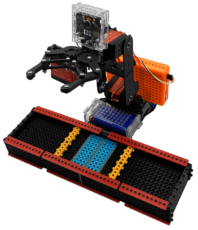
Manipulator robotics with artificial intelligence
For children aged 12–17. The laboratory introduces manipulator robotics using neural networks and computer vision.
Neurobiology and engineering
For children aged 12–17. The laboratory develops research skills and supports advanced study of biology, physics, and engineering.
Products in this area
Teaching and learning sets
Designing and Training Convolutional Neural Networks in NNTrack Course
Learn more