View the Robotrack laboratory catalogue for vocational colleges and universities
Brain Development LLC and Robotrack LLC are Russian developers and manufacturers of educational systems for college and university students. The systems support the development of professional engineering and technology skills through practical work: designing, assembling, and programming real devices and robotic systems. Students explore modern technologies relevant to emerging professions and strengthen their scientific and engineering skills.
Students can study artificial intelligence, neurotechnology, electrical engineering, programming, and computer vision.
Artificial intelligence
The Fundamentals of Artificial Intelligence course introduces neural networks and their use in recognising movement, colours, images, faces, and objects. Students learn how networks classify images, work with the MNIST dataset, and apply their knowledge by building and programming text- and emotion-recognition systems and voice-controlled projects. Project ideas include a voice assistant, an object-detection system, and gesture recognition.
NNTrack provides visual tools for studying neural networks and machine learning without writing code. Students build, train, and test networks with visual blocks, work with datasets, adjust hyperparameters, and connect models to robotics kits. This develops digital skills, analytical thinking, and research abilities.
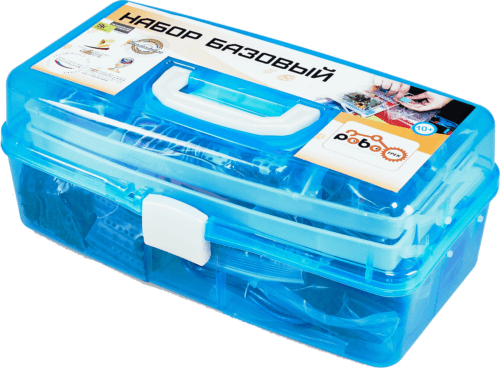
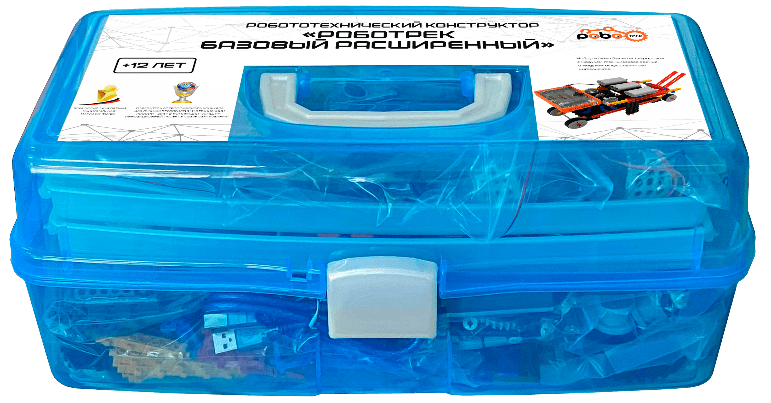
Educational equipment and teaching package: Robotrack Basic with Sensors and Touch Display kits, or Basic Extended; Artintrek Basic or Artintrek PRO AI systems; the Fundamentals of Artificial Intelligence course; and NNTrack with the Developing and Training Convolutional Neural Networks in NNTrack course.
Продукция
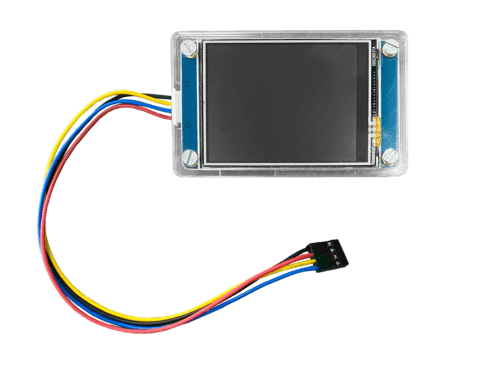
Robotrack Touch Display project kit
Neurotechnology
Working with educational equipment develops neurotechnology and robotics skills through engineering systems inspired by the brain. Students use devices that measure brain activity and practise neuro-piloting to control robots. The course covers brain functions and structure, bioelectrical activity, anthropomorphic neural networks, brain rhythms, psychophysiology, and biofeedback, including practical biofeedback work. The source programme also includes cognitive science and engineering applications.
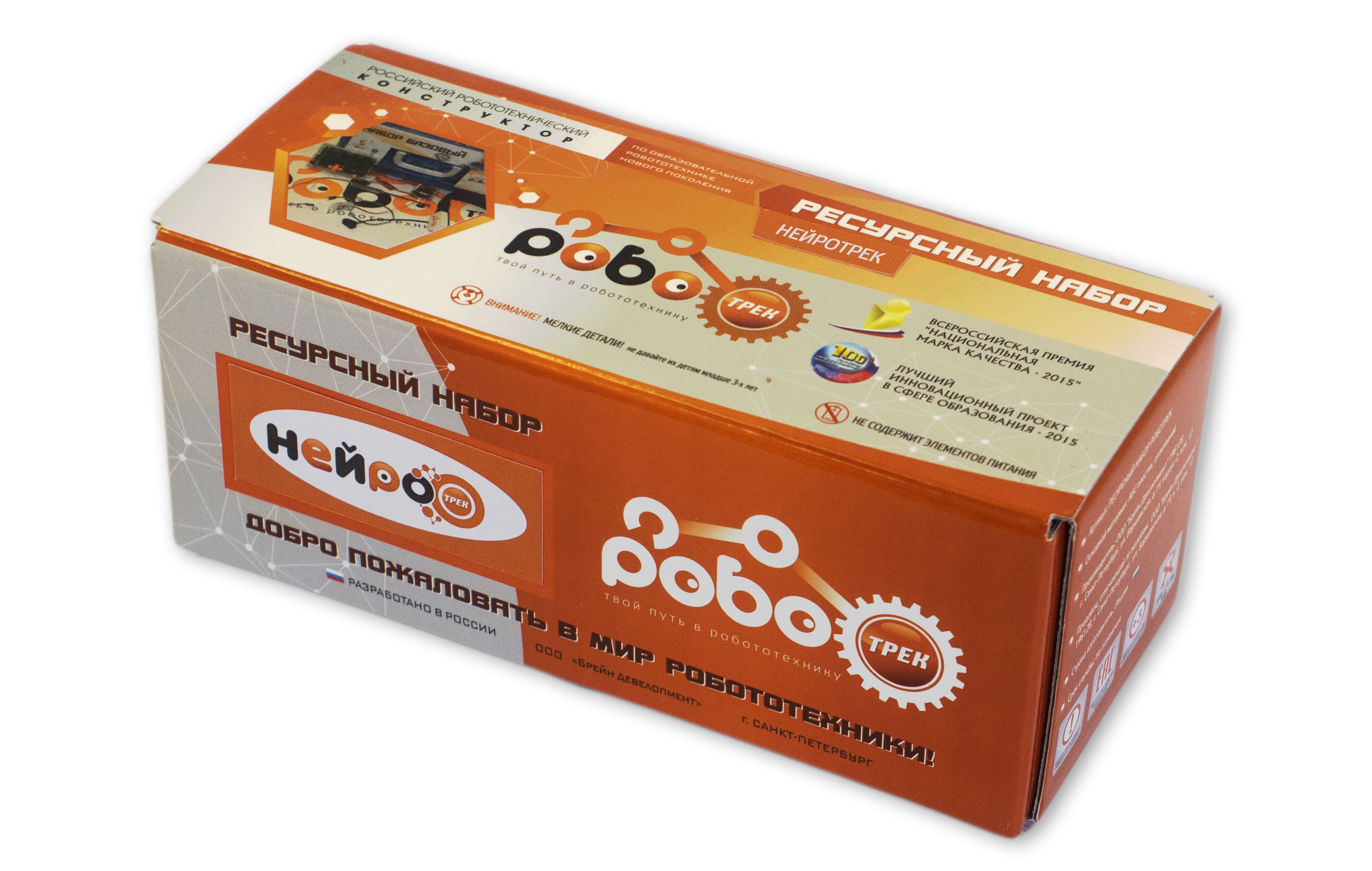
Educational equipment and teaching package: neurotechnology robotics kits and resource sets, including Neurotrek and Audiotrek, together with practical and teaching materials for brain-computer interaction and neuro-piloting.
Electrical engineering
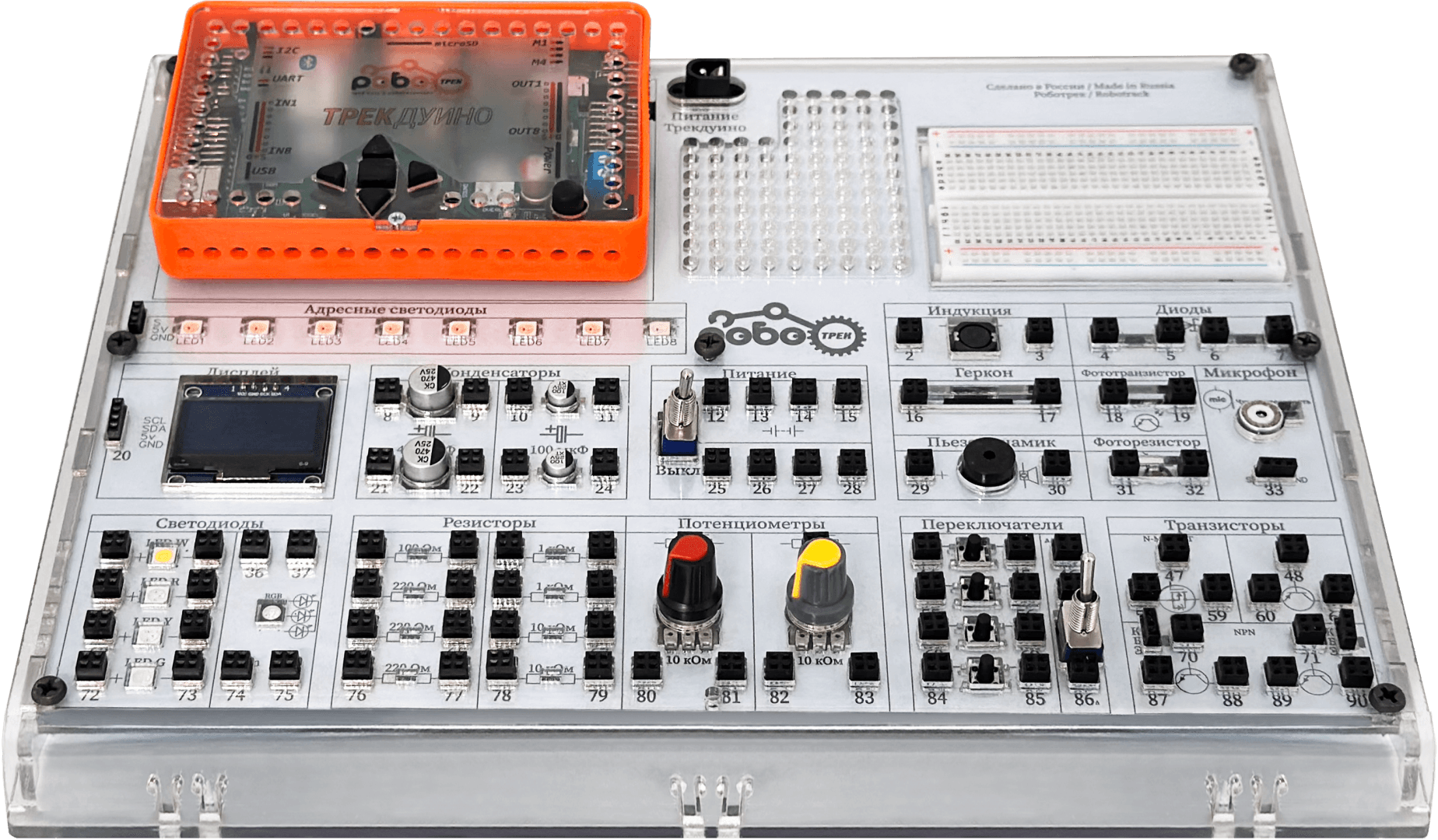
Students explore electronics and electrical engineering, microprocessors, and programming electronic devices. Practical work includes assembling and testing circuits, working with sensors and motors, prototyping devices on a microcontroller platform, and developing interactive projects.
Educational equipment and teaching package: Robotrack Electrical Engineering educational system, or Electrical Engineering PRO for rapid prototyping with a microcontroller and built-in interpreter, with associated teaching materials.
Programming
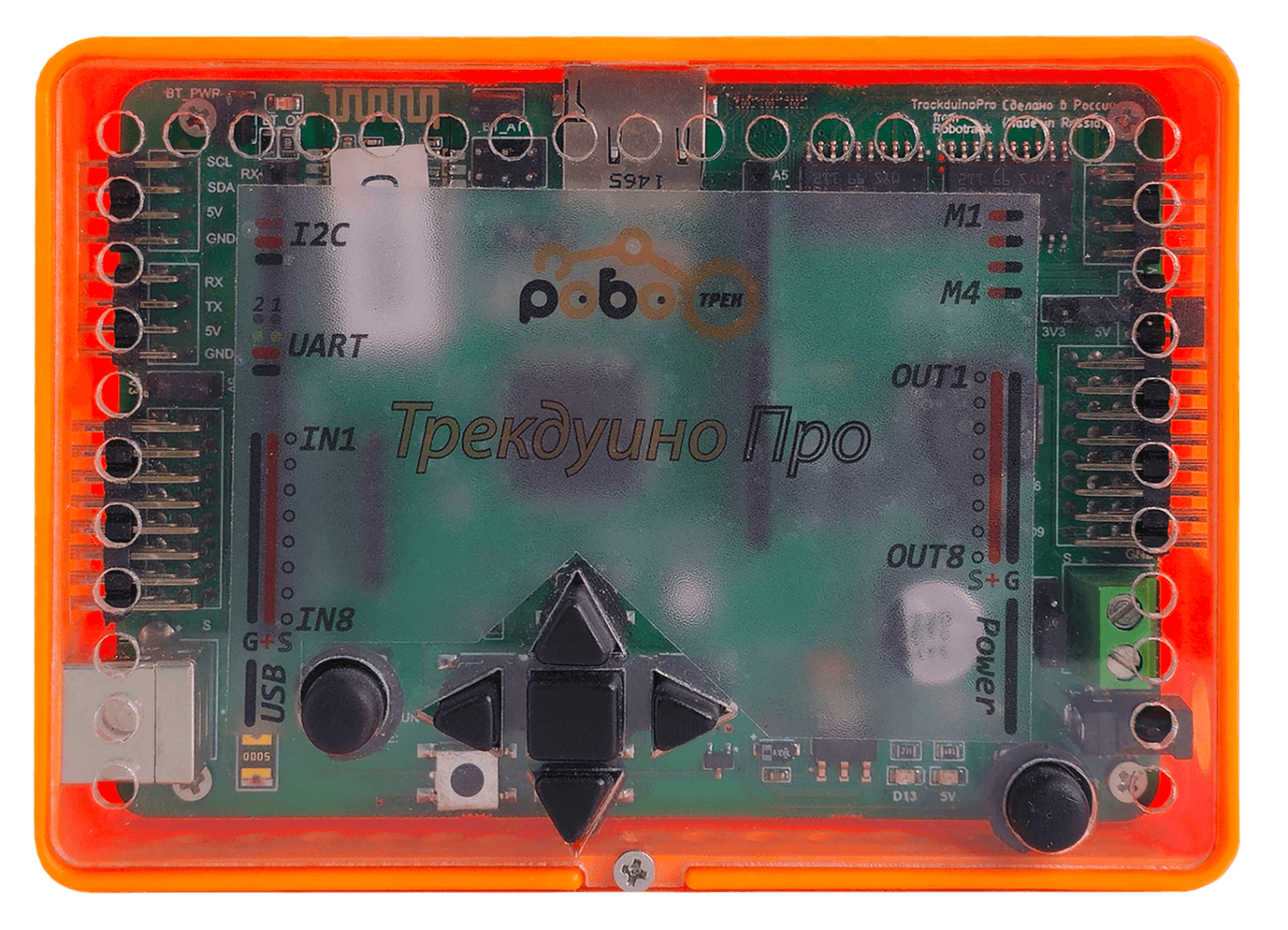
Students learn Java, C++, and Python, including program structure, data types, variables, operators, and logic. They also work in a terminal, use the Trackduino PRO API, connect infrared, ultrasonic, and force sensors and built-in buttons, and control LEDs, LED matrices, DC motors, and servomotors.
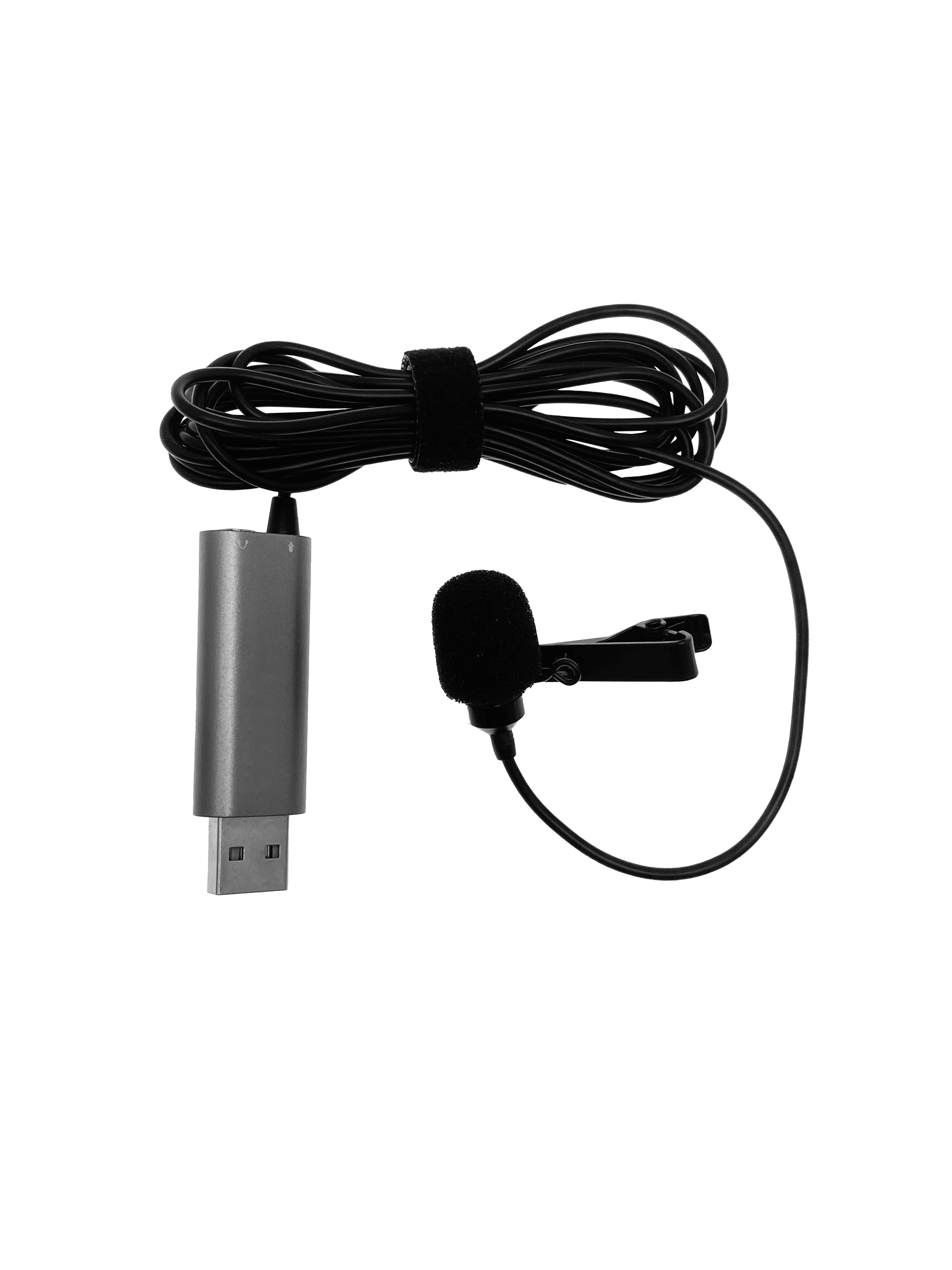
Courses: Introduction to Java; Android application development; Introduction to C++; Python programming; and programming the Trackduino PRO microcontroller in Python. Practical equipment includes Robotrack Basic with Sensors and Touch Display or Basic Extended, Trackduino PRO, Audiotrek, a DC motor, and a servo motor. The linked Wiki documentation is in Russian.


Computer (technical) vision
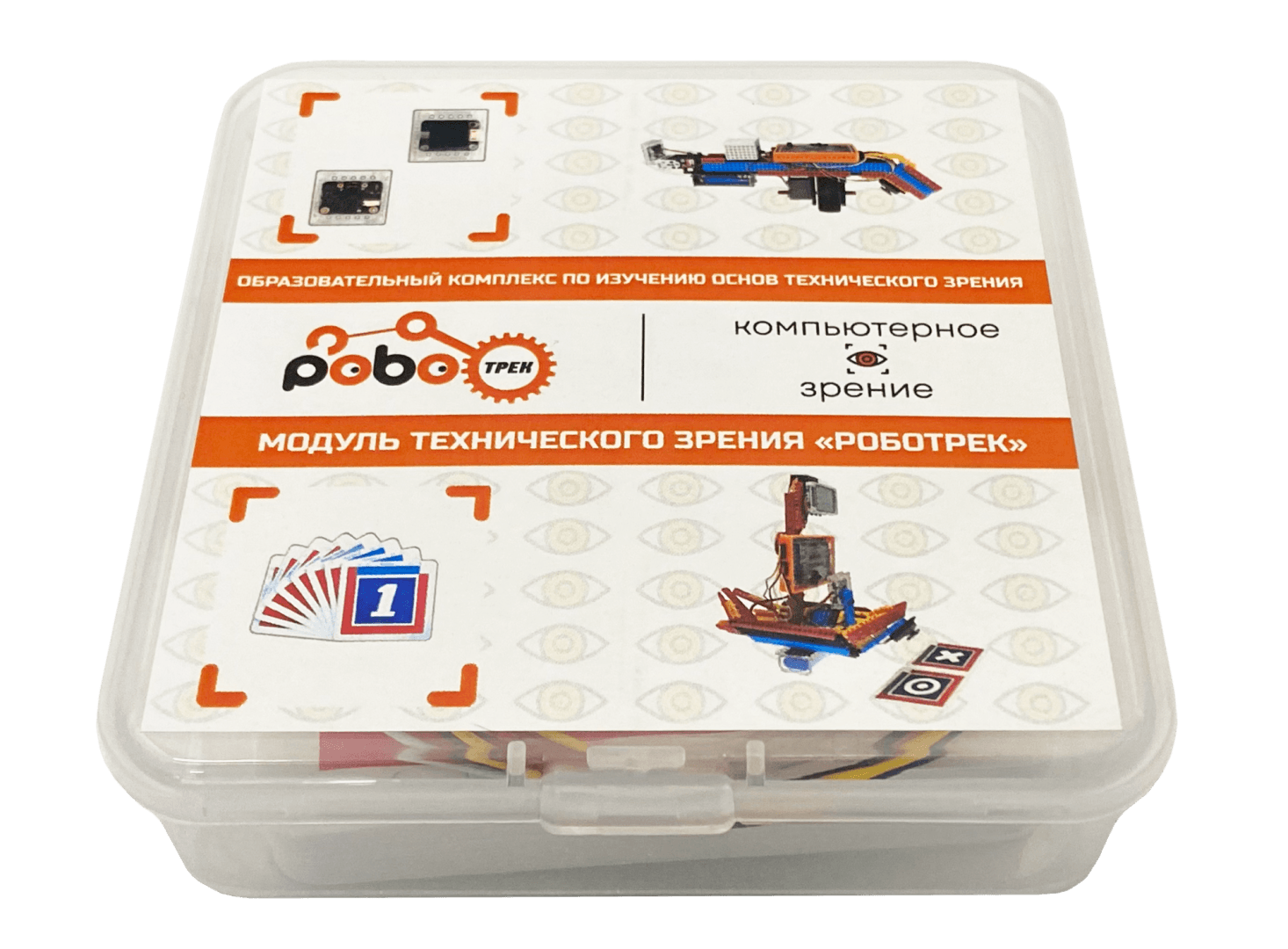
Students study movement, colour, shape, barcode, face, symbol, and object recognition; image encoding and colour palettes; line and edge detection; authentication; object tracking; and basic image processing. They use QR codes and AprilTag and build and program robotics systems with smart cameras. Project examples include video surveillance, a voice assistant, an automatic checkout, a smart vehicle, face recognition, and unmanned transport. Robotrack IDE activities introduce visual programming, logic, and algorithms. Students apply their knowledge in original projects and present their work.
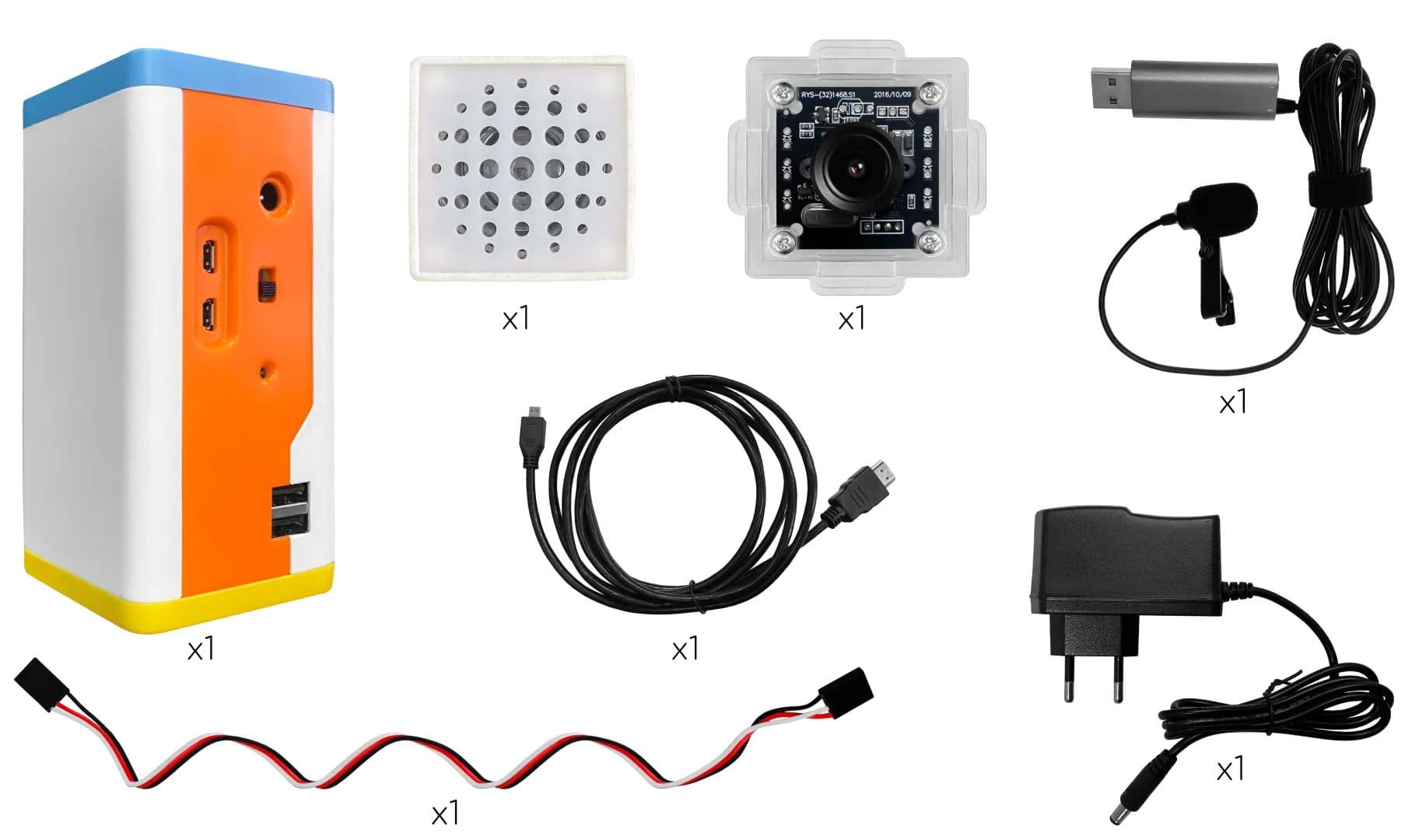
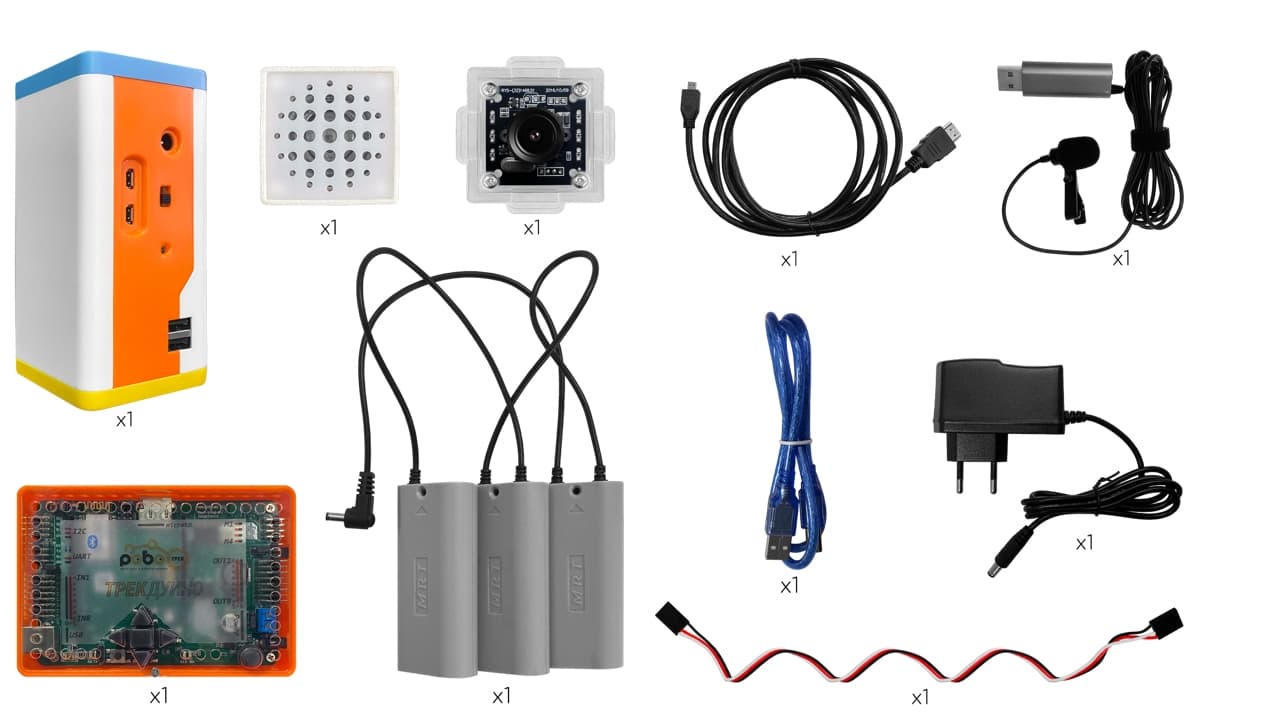
Educational equipment: Robotrack Basic with Sensors and Touch Display or Basic Extended, plus the Robotrack Technical Vision Module.
Продукция
Robotrack Touch Display kit
Products in this area
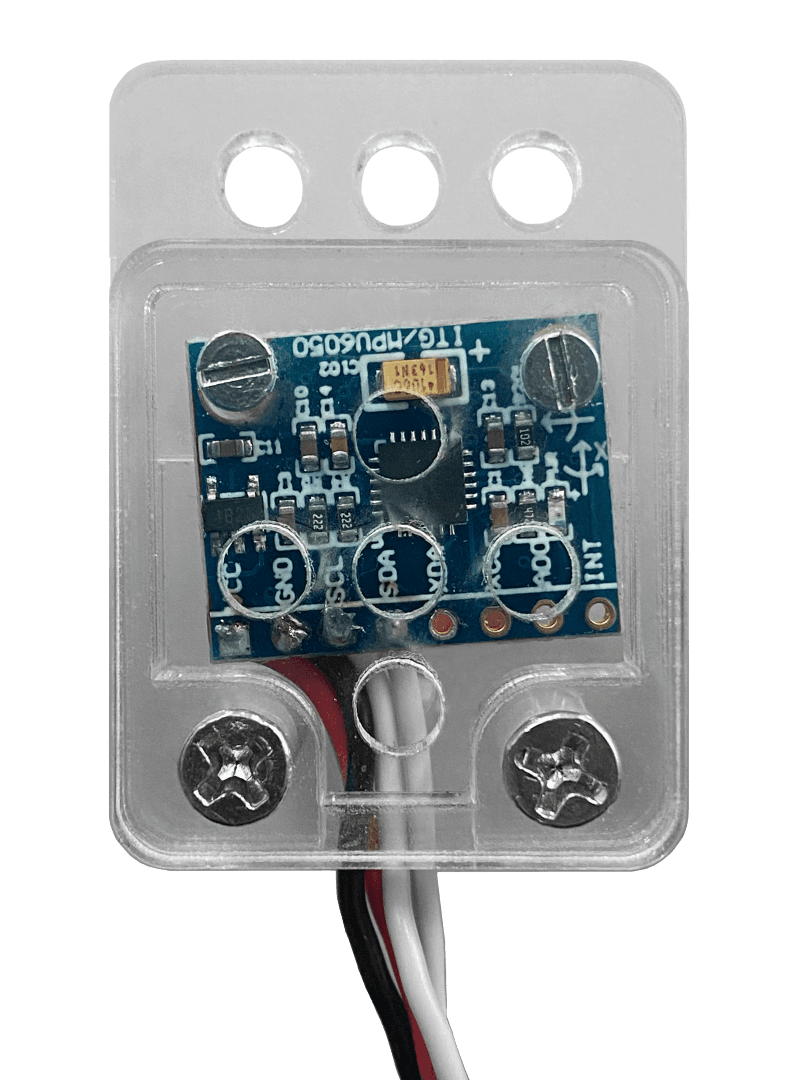
Teaching and learning sets
Designing and Training Convolutional Neural Networks in NNTrack Course
Learn more